
Overview
In the world of communication technology, understanding the difference between half duplex and full duplex is crucial. Explore which mode best suits your needs!
Understanding Communication Modes
In the realm of modern communication technology, the terms "half duplex" and "full duplex" frequently surface, especially when discussing data transmission methods. These concepts play a pivotal role in determining the efficiency and speed of communication systems, from simple walkie-talkies to complex computer networks. To navigate this intricate landscape, it is essential to grasp the fundamental principles behind these communication modes and how they influence our daily interactions with technology. Understanding the distinction between half duplex and full duplex communication can significantly impact the effectiveness of your communication solutions.
Communication modes refer to the protocols and methods used to transmit information between devices. These modes are categorized based on their ability to send and receive data, with half duplex and full duplex being two primary methods. While both serve the basic function of enabling communication, their capabilities and limitations vary significantly. Grasping these differences is vital for making informed decisions about which mode to implement in various scenarios.
As we delve deeper into the intricacies of half duplex and full duplex communication, it becomes evident that each mode has its unique set of characteristics, advantages, and ideal use cases. By examining these aspects closely, we can better understand which communication mode reigns supreme in different contexts, ultimately leading to more efficient and effective communication systems.
Half duplex communication is a mode of transmission where data can flow in both directions, but not simultaneously. In other words, a device can either send or receive data at any given time, but it cannot do both simultaneously. This method is akin to a one-lane bridge where traffic can flow in either direction, but only one direction at a time. Once the data transmission in one direction is complete, the communication channel switches to allow data to flow in the opposite direction.
Walkie-talkies are a quintessential example of half duplex communication. When using a walkie-talkie, a user must press a button to speak, which prevents them from hearing any incoming messages until they release the button. This push-to-talk mechanism ensures that only one person can transmit data at a time, making it a clear representation of half duplex communication. This mode is particularly useful in scenarios where a simple and cost-effective communication solution is required, and simultaneous transmission is not a critical factor.
Despite its limitations, half duplex communication has several advantages, including reduced complexity and lower cost. By only allowing one direction of data flow at a time, half duplex systems require fewer resources and simpler circuitry compared to full duplex systems. This makes them ideal for certain applications where cost and simplicity are more critical than the ability to transmit and receive data simultaneously.
Full duplex communication, on the other hand, allows for simultaneous two-way data transmission. This means that devices can send and receive data at the same time, akin to a two-lane bridge where traffic can flow freely in both directions. Full duplex systems are designed to handle bi-directional data flow without any waiting period, resulting in more efficient and faster communication. This mode is essential in environments where real-time data exchange is critical, such as in telecommunication networks and high-speed internet connections.
Telephones are a classic example of full duplex communication. When you speak into a telephone, your voice is transmitted to the other party while their voice is simultaneously transmitted to you. This allows for a natural and continuous conversation without any interruptions, as both parties can speak and listen at the same time. Full duplex communication is fundamental to the seamless operation of various modern communication systems, including VoIP (Voice over Internet Protocol) and video conferencing platforms.
The simultaneous data transmission capability of full duplex systems comes with increased complexity and cost. These systems require more sophisticated hardware and protocols to manage the bi-directional data flow effectively. However, the benefits of full duplex communication, such as higher efficiency and improved user experience, often outweigh the additional costs and complexity, making it the preferred choice for many advanced communication applications.
Understanding the key differences between half duplex and full duplex communication is essential for choosing the right mode for your needs. One of the most significant differences lies in their data transmission capabilities. Half duplex systems can only transmit data in one direction at a time, while full duplex systems can handle bi-directional data flow simultaneously. This fundamental difference impacts the efficiency, speed, and overall user experience of the communication system.
Another critical difference is the complexity and cost associated with each mode. Half duplex systems are generally simpler and less expensive to implement, as they require fewer resources and less sophisticated hardware. This makes them ideal for applications where cost and simplicity are more important than the ability to transmit and receive data simultaneously. In contrast, full duplex systems involve more complex circuitry and advanced protocols to manage bi-directional data flow, resulting in higher costs and increased complexity. However, the benefits of full duplex communication, such as real-time data exchange and improved user experience, often justify the additional investment.
Latency and bandwidth utilization also differ significantly between half duplex and full duplex communication. In half duplex systems, the need to switch between transmitting and receiving modes introduces latency, which can impact the overall performance of the communication system. This mode also tends to use bandwidth less efficiently, as the communication channel is only utilized in one direction at a time. Full duplex systems, on the other hand, minimize latency by allowing simultaneous data transmission and reception, leading to more efficient bandwidth utilization and faster, more responsive communication.
Despite its limitations, half duplex communication offers several advantages that make it a viable choice for certain applications. One of the primary benefits is its simplicity. Half duplex systems are straightforward to design and implement, requiring fewer resources and less complex circuitry compared to full duplex systems. This simplicity translates to lower costs, making half duplex communication an attractive option for budget-conscious projects and applications where simultaneous data transmission is not a critical requirement.
Another advantage of half duplex communication is its robustness. Since only one device can transmit data at a time, there is a reduced risk of data collisions and interference. This makes half duplex systems more reliable in environments with potential signal interference or where clear, sequential communication is necessary. For example, in industrial settings where radio communication is used to coordinate machinery and personnel, the reliability of half duplex communication can be a significant advantage.
Half duplex communication also offers better power efficiency. Because devices in a half duplex system alternate between transmitting and receiving modes, they can conserve power by not having to operate both functions simultaneously. This is particularly beneficial in battery-powered devices and applications where power consumption is a critical consideration. Walkie-talkies and other portable communication devices often use half duplex communication for this reason, balancing the need for effective communication with the constraints of limited battery life.
Full duplex communication offers a range of advantages that make it the preferred choice for many advanced communication systems. One of the most significant benefits is its ability to facilitate real-time, simultaneous data transmission and reception. This capability is crucial in applications where immediate, uninterrupted data exchange is necessary, such as in telecommunication networks, video conferencing, and online gaming. By allowing both parties to transmit and receive data at the same time, full duplex communication ensures a seamless and efficient user experience.
Another advantage of full duplex communication is its higher efficiency and better bandwidth utilization. Since data can flow in both directions simultaneously, full duplex systems make optimal use of the available communication channel. This results in faster data transfer rates and reduced latency, enhancing the overall performance of the communication system. In high-speed internet connections and data-intensive applications, the efficiency of full duplex communication can significantly improve the quality of service and user satisfaction.
Full duplex communication also enhances the quality of interactions by enabling more natural and fluid conversations. In voice and video communication systems, the ability to speak and listen simultaneously eliminates the need for pauses and interruptions, creating a more engaging and effective communication experience. This is particularly important in professional settings where clear and continuous communication is essential, such as in business meetings, customer support, and collaborative work environments.
The practical applications of half duplex and full duplex communication modes are diverse, each suited to specific scenarios based on their unique characteristics. Half duplex communication is widely used in applications where cost, simplicity, and reliability are more important than simultaneous data transmission. One common example is two-way radios or walkie-talkies, which are often used in public safety, construction, and recreational activities. These devices rely on half duplex communication to provide clear and sequential voice transmission, ensuring effective coordination and communication in various environments.
Another real-world application of half duplex communication is in legacy computer networks, such as Ethernet hubs. In these systems, data can only be transmitted in one direction at a time, making half duplex communication a suitable choice. While modern networks have largely transitioned to full duplex communication for improved performance, half duplex systems still play a role in specific use cases where simplicity and cost-effectiveness are prioritized. Additionally, half duplex communication is used in certain industrial and telemetry applications, where robust and reliable data transmission is essential.
Full duplex communication, on the other hand, is prevalent in applications that demand high-speed, real-time data exchange. Telecommunication networks, including mobile and landline phones, rely on full duplex communication to enable natural and uninterrupted conversations. Similarly, video conferencing platforms, such as Zoom and Microsoft Teams, use full duplex communication to facilitate seamless and interactive virtual meetings. In the realm of internet connectivity, full duplex communication is essential for high-speed broadband connections, ensuring efficient and responsive data transfer for activities like streaming, online gaming, and large file downloads.
Selecting the appropriate communication mode for your needs involves evaluating various factors, including the specific requirements of your application, budget constraints, and the desired level of performance. The decision between half duplex and full duplex communication should be guided by an understanding of the unique characteristics and advantages of each mode, as well as the context in which they will be used.
For applications where cost and simplicity are paramount, half duplex communication may be the ideal choice. This mode is particularly suitable for scenarios that do not require simultaneous data transmission, such as two-way radios, certain industrial communication systems, and legacy computer networks. The lower complexity and cost of half duplex systems make them an attractive option for projects with limited budgets or where robust and reliable communication is more critical than high-speed data transfer.
On the other hand, if your application demands real-time, high-speed data exchange, full duplex communication is likely the better option. This mode is essential for telecommunication networks, video conferencing, high-speed internet connections, and other data-intensive applications where simultaneous transmission and reception of data are crucial. While full duplex systems may involve higher costs and complexity, the benefits of improved efficiency, reduced latency, and enhanced user experience often justify the investment.
The landscape of communication technologies is continually evolving, driven by advancements in digital innovation and the growing demand for faster, more efficient data transmission. One of the emerging trends is the integration of 5G technology, which promises to revolutionize communication by offering significantly higher data transfer rates, lower latency, and increased capacity. The deployment of 5G networks will enhance the capabilities of full duplex communication, enabling even more seamless and responsive interactions across various devices and platforms.
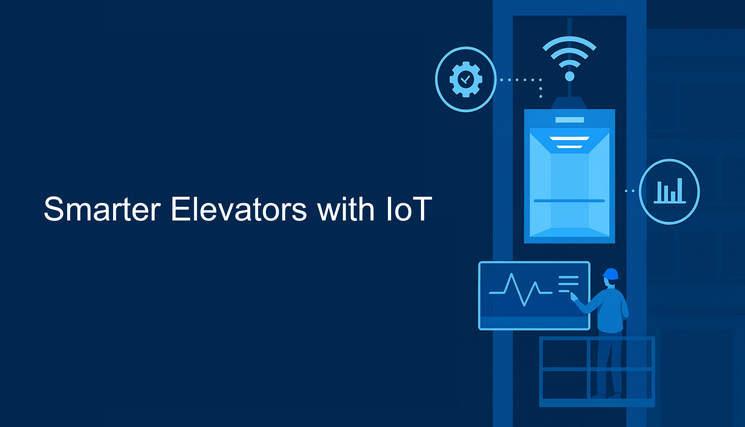
Another notable trend is the rise of the Internet of Things (IoT), where a vast network of interconnected devices communicates and exchanges data in real-time. As IoT continues to expand, the need for efficient and reliable communication modes becomes increasingly critical. Full duplex communication is likely to play a key role in supporting the high-speed, low-latency requirements of IoT applications, from smart homes and industrial automation to autonomous vehicles and healthcare monitoring systems.
Advancements in artificial intelligence (AI) and machine learning are also shaping the future of communication technologies. These innovations are enhancing the ability of communication systems to adapt and optimize data transmission dynamically, improving the efficiency and performance of both half duplex and full duplex modes. AI-driven algorithms can intelligently manage data flow, reduce interference, and enhance the overall quality of communication, paving the way for more sophisticated and adaptive communication solutions.
In the dynamic world of communication technology, choosing the right communication mode is crucial for optimizing the performance and efficiency of your systems. By understanding the fundamental differences, advantages, and real-world applications of half duplex and full duplex communication, you can make informed decisions that align with your specific needs and goals.
Half duplex communication offers simplicity, cost-effectiveness, and reliability, making it an excellent choice for applications where simultaneous data transmission is not a critical requirement. This mode is ideal for two-way radios, certain industrial communication systems, and legacy computer networks, providing robust and sequential data transmission at a lower cost.
Full duplex communication, on the other hand, delivers real-time, simultaneous data exchange, higher efficiency, and improved user experience. This mode is essential for telecommunication networks, video conferencing, high-speed internet connections, and other data-intensive applications where immediate and uninterrupted data flow is necessary. While full duplex systems may involve higher complexity and costs, the benefits often outweigh the investment, leading to more efficient and responsive communication solutions.
As communication technologies continue to evolve, staying informed about emerging trends and advancements will help you make the right choice between half duplex and full duplex communication. By considering factors such as application requirements, budget constraints, and desired performance levels, you can select the communication mode that best suits your needs, ensuring effective and efficient data transmission in an increasingly connected world.