In high-temperature conditions, outdoor network links may experience bandwidth loss or instability.
Common reasons include:
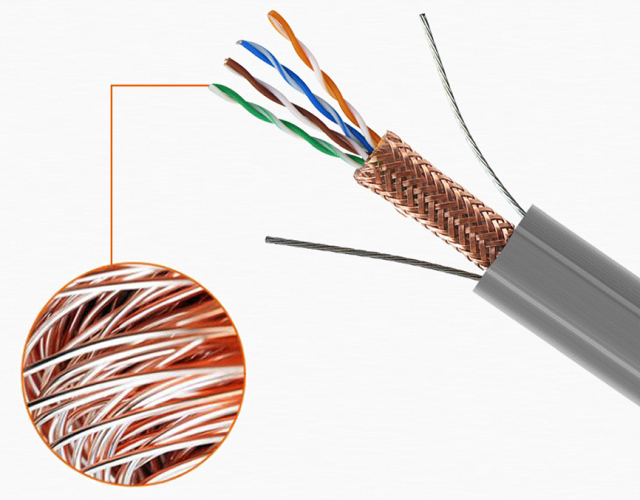
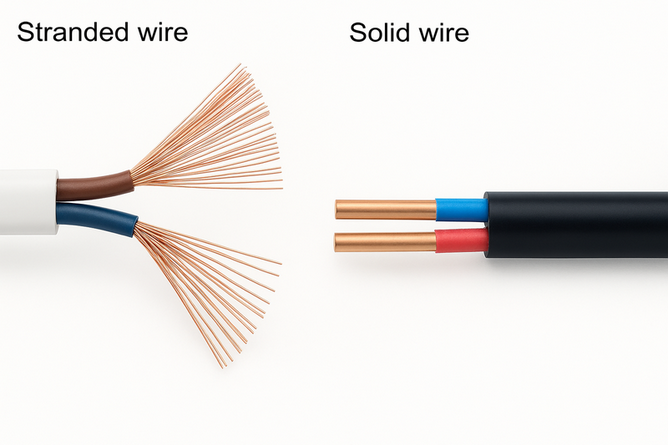
• Increased cable resistance
Higher temperatures raise conductor resistance, causing greater signal loss over long distances.
• Insulation and shielding degradation
Heat accelerates aging of cable jackets and insulation, increasing crosstalk and error rates.
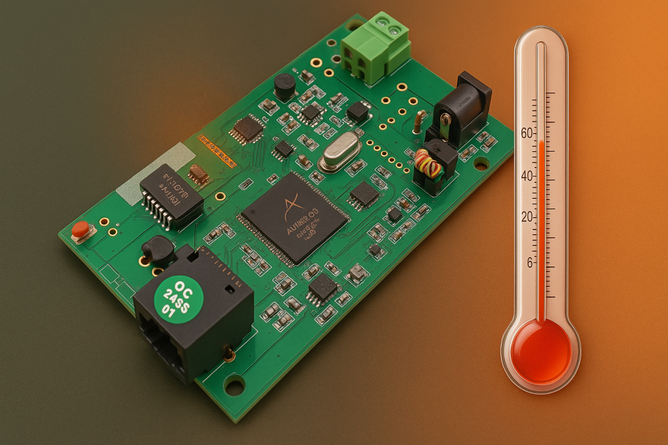
• Thermal throttling of active devices
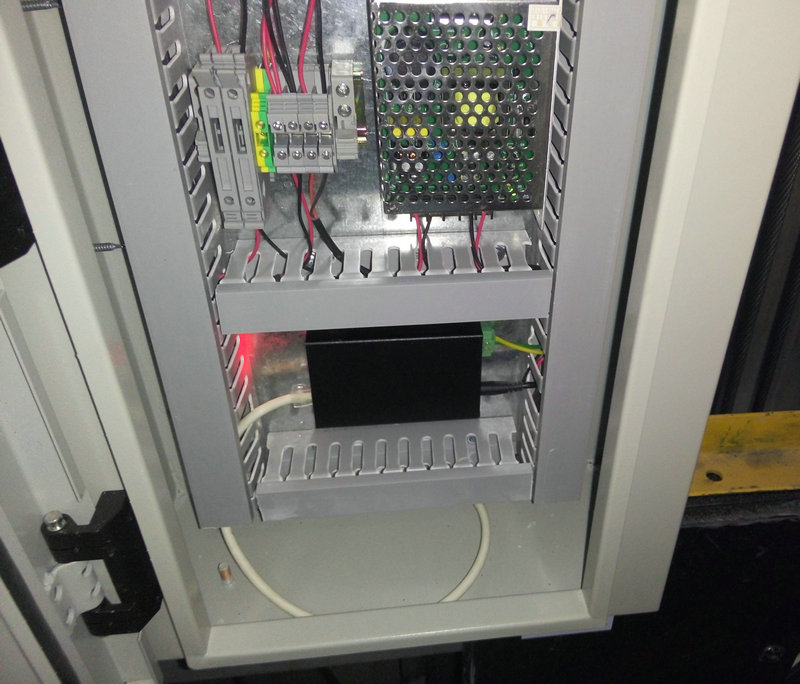
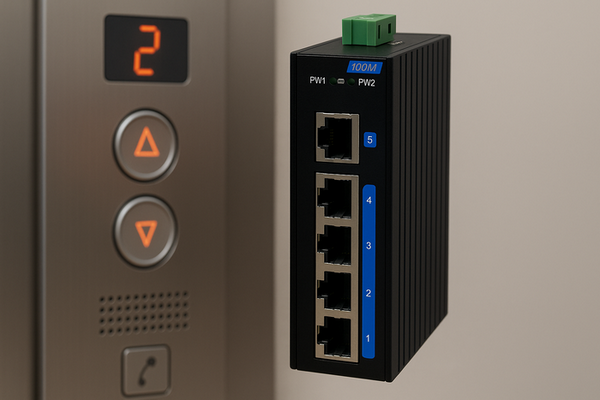
PoE injectors, Ethernet switches, or Ethernet extenders may reduce speed or trigger protection if cooling is insufficient.
• Reduced PoE power delivery
At higher temperatures, PoE switches can deliver 18–25% less power, which may cause remote devices to shut down.
Practical tips:
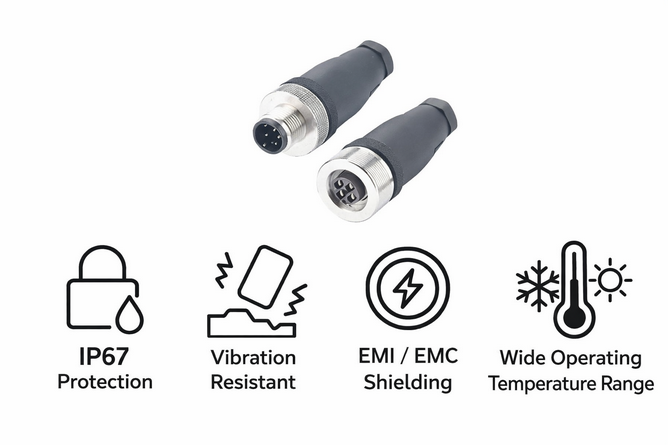
✔ Use industrial-grade, high-temperature cables and equipment
✔ Avoid direct heat exposure and improve ventilation for active devices
A few preventive design choices can significantly improve network stability during hot seasons.