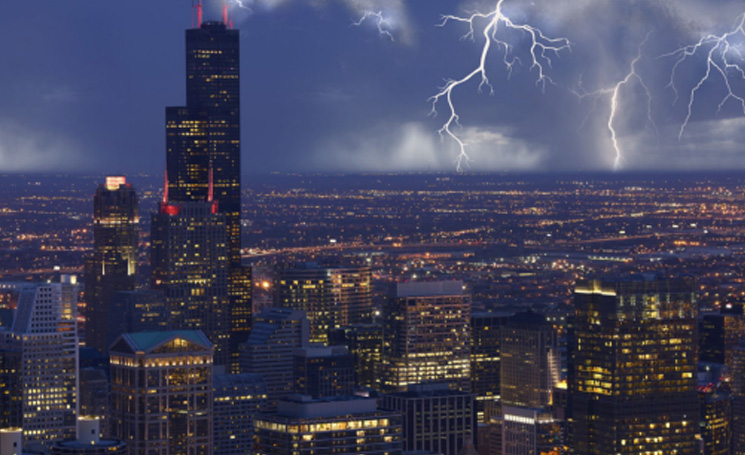
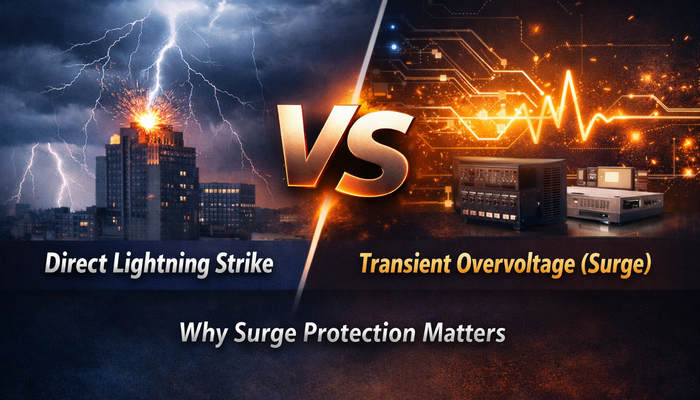
That is why most attention naturally goes to the lightning people can see.
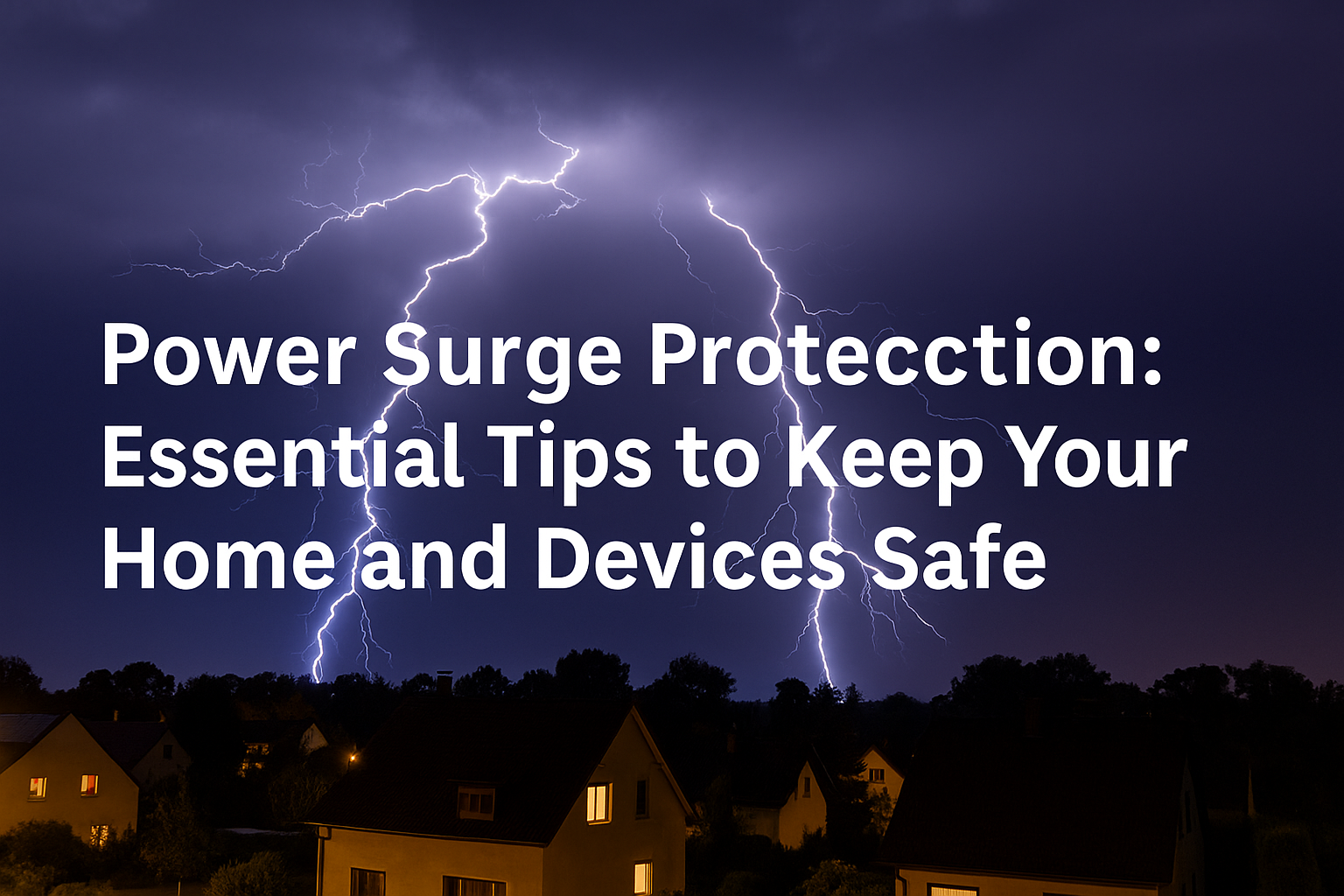
However, in real electrical and electronic systems, many failures are not caused by a direct lightning strike at all. In many cases, the more frequent threat comes from induced lightning and transient overvoltage (surge).
This is one of the biggest misunderstandings in lightning protection.
People tend to focus on visible lightning, but overlook the invisible electrical surges that occur far more often and can quietly damage equipment over time.
A direct lightning strike occurs when lightning physically hits a building, pole, cable, tower, or piece of equipment.
This type of event is powerful, immediate, and easy to recognize. It may result in:
● visible structural damage
● burned cables or terminals
● destroyed equipment
● complete system outage
Because the damage is dramatic and obvious, direct lightning strikes are widely understood as dangerous.
Induced lightning refers to the indirect electrical effects caused by nearby lightning activity.
Even when lightning does not strike a building or device directly, the electromagnetic field generated by a nearby lightning event can induce high voltage into power lines, network cables, signal lines, telephone lines, and other conductors.
As a result, equipment may still be exposed to a sudden electrical disturbance, even without a direct hit.
This is why a system can be damaged during a thunderstorm even when there is no visible sign that the lightning struck the equipment itself.
A transient overvoltage (surge) is a sudden, short-duration rise in voltage that exceeds the normal operating level of a system.
In simple terms, it is a brief electrical spike that appears on a power, signal, or communication line.
These surges may be caused by:
● nearby lightning activity
● switching operations in the power system
● starting or stopping of motors and large loads
● internal electrical disturbances within a building or facility
So while many people associate lightning protection only with storms, transient overvoltage (surge) events are not limited to direct lightning conditions.
The difference is simple but important.
A direct lightning strike means lightning physically hits the object or installation.
Induced lightning means lightning does not hit the equipment directly, but still creates electrical effects in nearby conductors.
Those indirect effects often appear in the form of transient overvoltage (surge).
In other words:
● direct lightning strike is the visible and direct impact
● induced lightning is the indirect effect of nearby lightning
● transient overvoltage (surge) is the electrical disturbance that travels through the system and threatens equipment
Understanding this distinction is essential, because many equipment failures come from the indirect electrical effect, not from the direct strike itself.
This is the point many people overlook.
A direct lightning strike is dramatic, but relatively uncommon at the level of a specific device or installation.
By contrast, transient overvoltage (surge) events occur far more frequently. They may be caused by induced lightning, but also by routine electrical switching and power system activity.
That means equipment is often exposed to surge conditions much more often than people realize.
A direct lightning strike is memorable because it is visible.
A transient overvoltage (surge) is easy to ignore because it is invisible, brief, and silent.
But in practical terms, it is often the more common threat to modern electronics.
The main reason is simple: surges cannot be seen.
People notice lightning because it is dramatic. They notice thunder because it is loud. But they do not notice a microsecond-level voltage spike traveling through a line.
As a result, many users assume that if their building or equipment was not directly struck by lightning, there was no lightning-related risk.
That assumption is wrong.
In reality, invisible surge events may already be occurring repeatedly in the system, especially in installations with long cable runs, outdoor connections, distributed devices, or sensitive electronic equipment.
A transient overvoltage (surge) does not always destroy equipment instantly. In many cases, the damage is cumulative or hidden.
Surges can affect power inputs, Ethernet ports, PoE ports, signal interfaces, communication modules, and internal circuits.
Even when the device continues to operate, repeated surge stress can weaken internal components and reduce service life.
Some of the most common surge-related problems are not complete failures, but unstable behavior, such as:
● random rebooting
● communication interruption
● network instability
● data errors
● image loss
● false alarms
● unexplained malfunction
In connected systems, damage to one device or one interface can affect the performance of the entire link or system.
Modern systems rely heavily on sensitive electronic components and high-density interfaces. Compared with older electrical systems, today’s equipment is often less tolerant of transient electrical stress.
This is especially true for:
● network devices
● PoE equipment
● IP cameras
● intercom systems
● telecom systems
● control panels
● industrial electronics
● building automation systems
These devices may be compact and intelligent, but they are also more sensitive to transient overvoltage (surge).
One of the most dangerous aspects of surge exposure is that the damage may not be immediately obvious.
A direct lightning strike usually leaves visible evidence.
A surge often does not.
The equipment may continue working after the event, but internal stress may already have occurred. Over time, repeated surge exposure can lead to higher maintenance costs, shorter service life, unexpected downtime, and difficult troubleshooting.
That is why surge protection should not be treated as optional or only necessary after a visible lightning event.
There is no question that protection against direct lightning strike is important.
But if people focus only on visible lightning and ignore induced lightning and transient overvoltage (surge), they miss a major part of the real risk.
In many real-world applications, the more frequent threat is not the direct strike people fear, but the invisible surge that repeatedly stresses equipment.
That is why effective lightning protection should include not only protection against direct lightning strike, but also protection against induced lightning effects and transient overvoltage.
When discussing lightning protection, most people think first about the lightning they can see.
But in practical equipment protection, the greater everyday threat is often the electrical disturbance they cannot see.
A direct lightning strike is powerful and destructive.
But induced lightning and transient overvoltage (surge) occur far more frequently and are often overlooked.
If we only pay attention to direct lightning strike, we ignore one of the most common causes of hidden electrical damage.
Understanding the difference between direct lightning strike, induced lightning, and transient overvoltage (surge) is the first step toward more effective equipment protection.
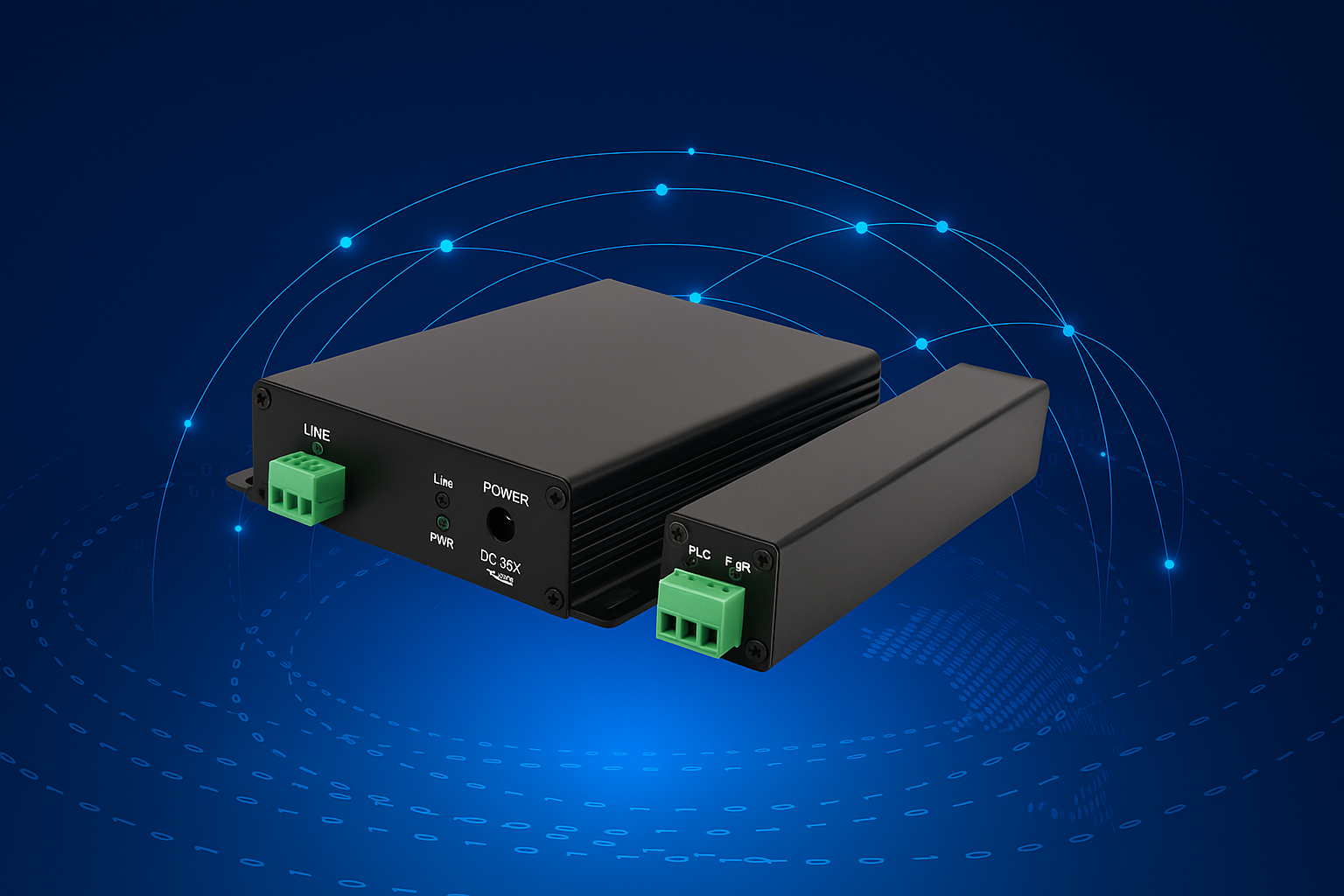
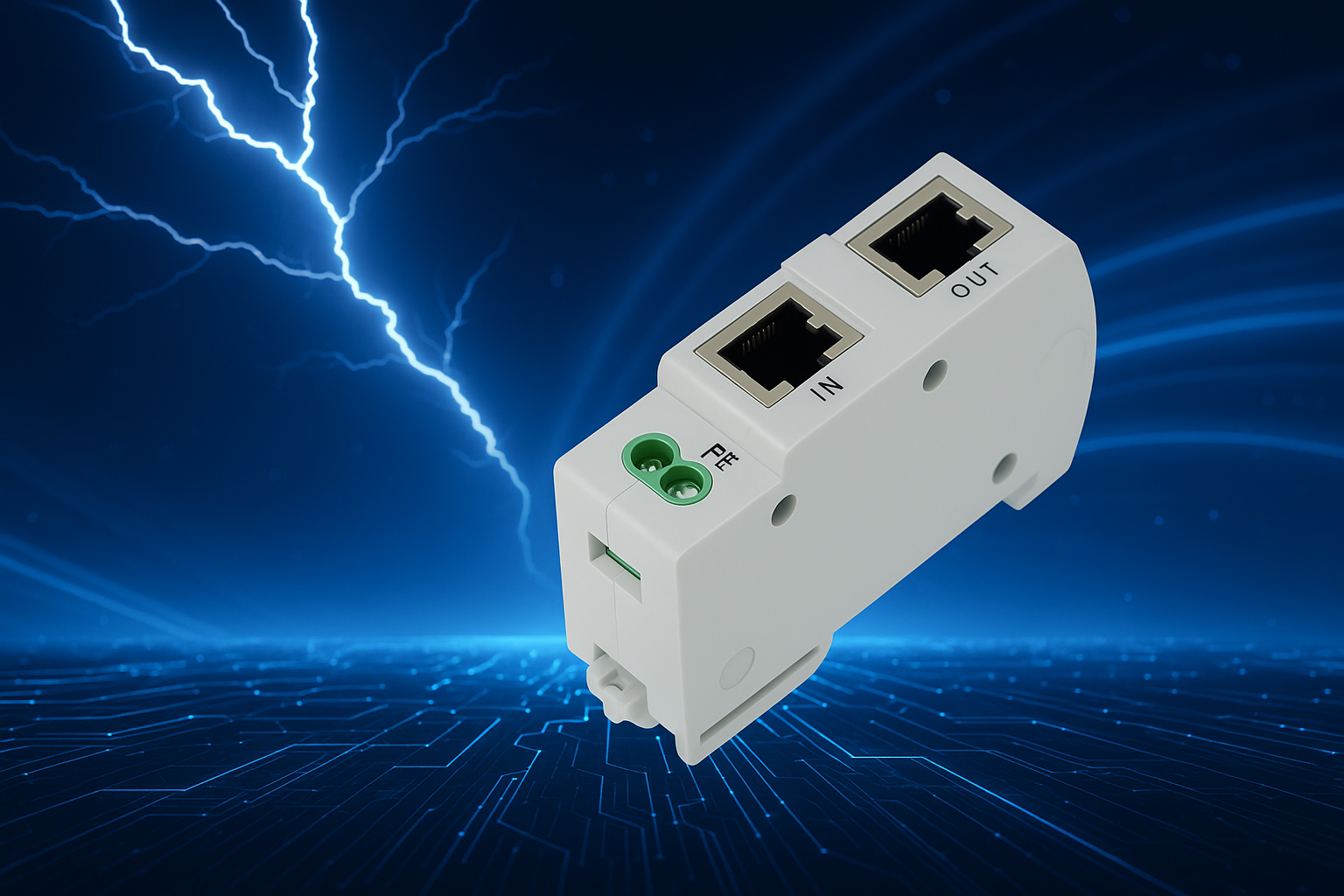
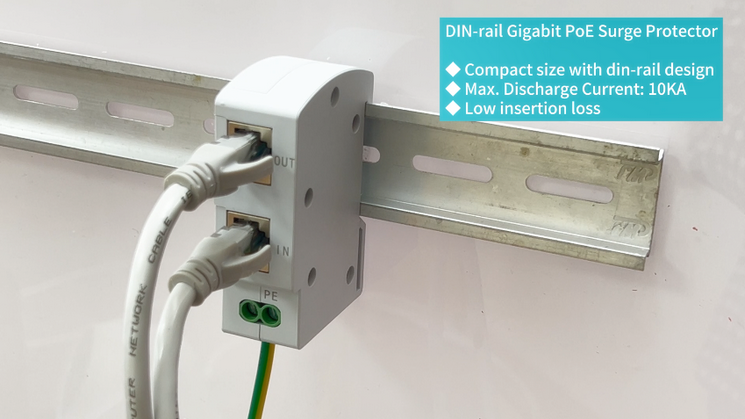
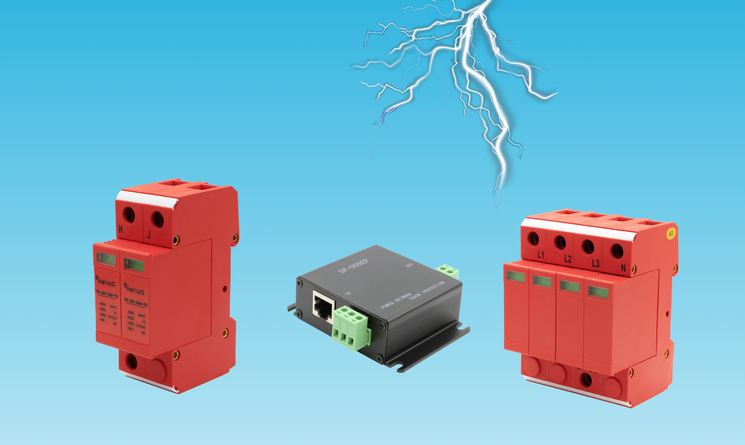
To protect your system from induced lightning and transient overvoltage (surge) , you can use the surge protectors.
Click here to know more about surge protection.