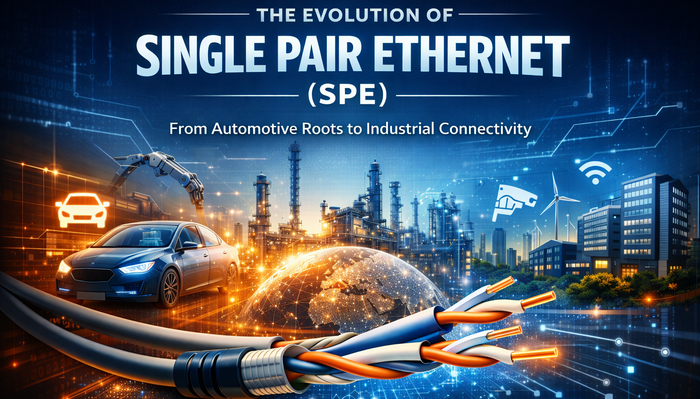
In today’s rapidly evolving industrial and IoT landscape, connectivity is no longer just about speed—it’s about efficiency, simplicity, and scalability. Traditional Ethernet, while powerful, often requires multiple wire pairs, increasing complexity and cost.
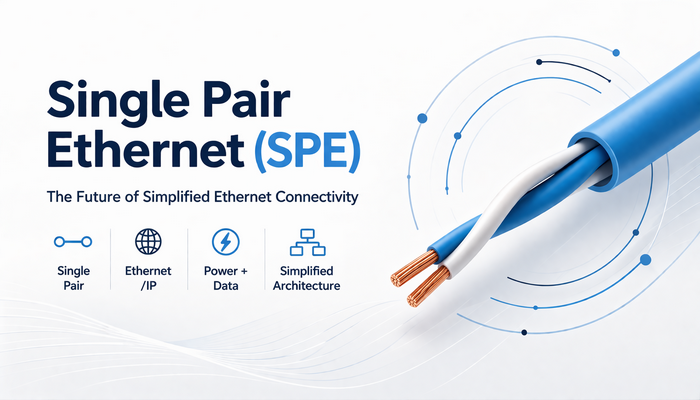
This is where Single Pair Ethernet (SPE) comes in.
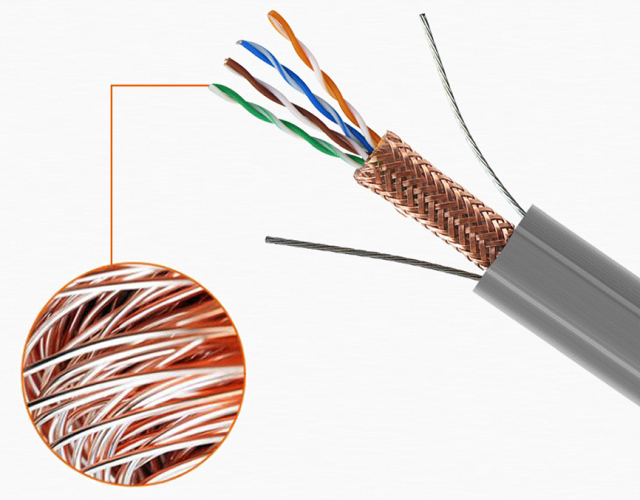
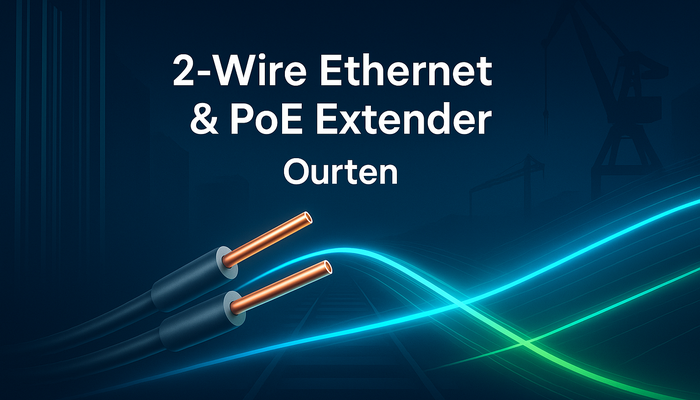
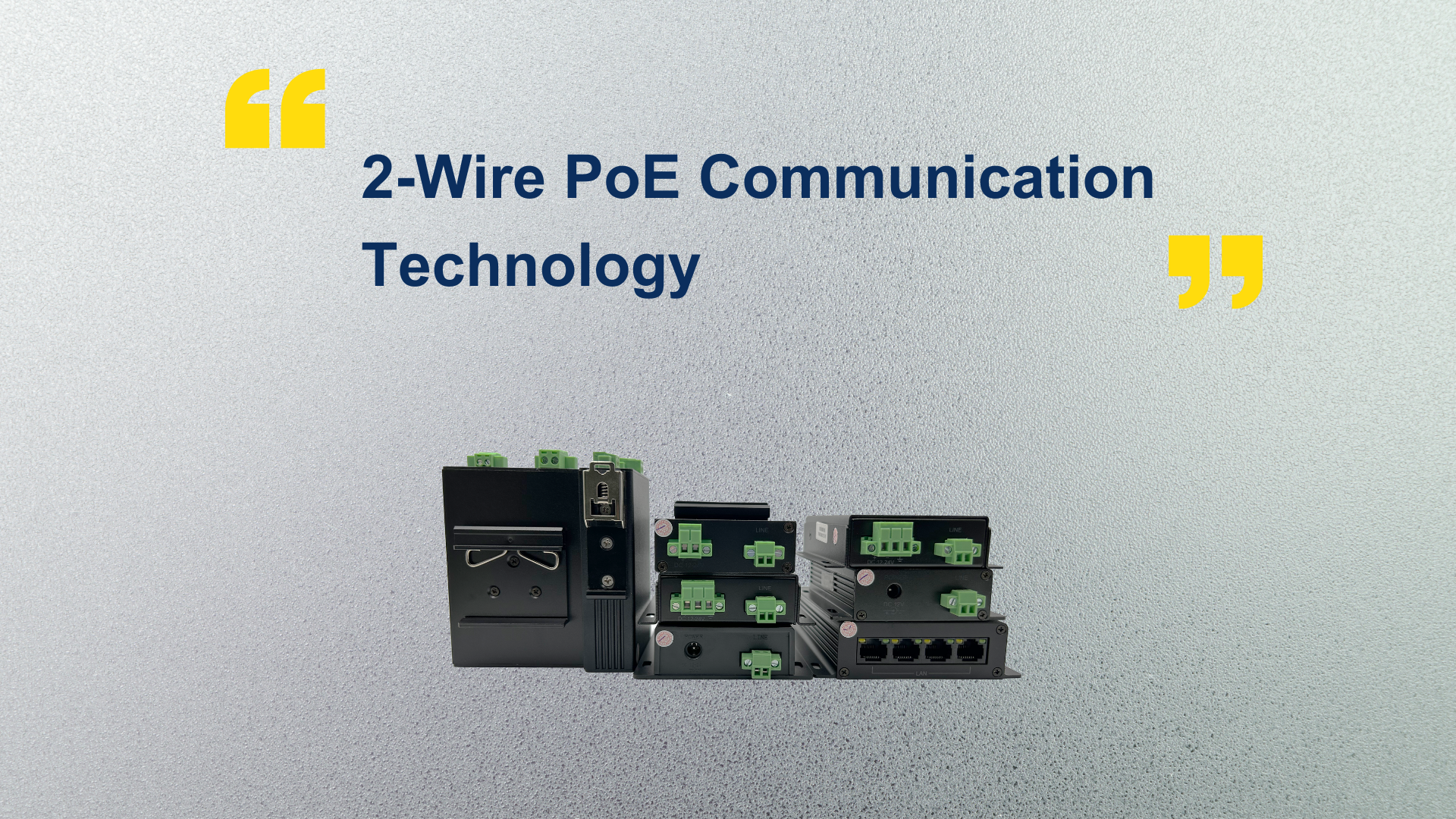
SPE enables data transmission and power delivery over a single twisted pair of copper wires, dramatically simplifying infrastructure while extending transmission distances—up to 1,000 meters in some applications.
But how did SPE evolve into such a promising technology?
The concept of Single Pair Ethernet did not originate in industrial automation—it began in the automotive industry.
Modern vehicles require:
● Lightweight wiring systems
● High-speed communication between sensors and ECUs
● Reduced electromagnetic interference
Traditional Ethernet cabling (4 pairs) was too bulky and inefficient for this environment. As a result, automotive engineers pushed for a solution that could:
● Reduce cable weight
● Maintain reliable communication
● Support real-time data transmission
This led to the development of early SPE standards, particularly 100BASE-T1, designed specifically for in-vehicle networking.
The real breakthrough came when SPE was standardized by the IEEE under the 802.3 Ethernet working group.
Key milestones include:
● IEEE 802.3bw (100BASE-T1) – Automotive Ethernet (100 Mbps)
● IEEE 802.3bp (1000BASE-T1) – Gigabit automotive Ethernet
● IEEE 802.3cg (10BASE-T1L / T1S) – Long-distance industrial applications
Among these, 10BASE-T1L is particularly important for industrial use, offering:
● Transmission distances up to 1,000 meters
● Stable performance in harsh environments
● Compatibility with existing Ethernet protocols
Once standardized, SPE quickly moved beyond automotive applications into:
Factories and process plants benefit from:
● Reduced cabling complexity
● Lower installation costs
● Easier deployment in legacy systems
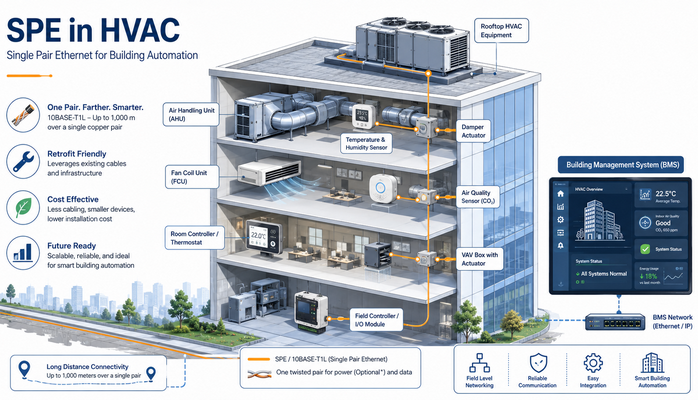
SPE supports:
● Smart lighting
● HVAC systems
● Access control and security
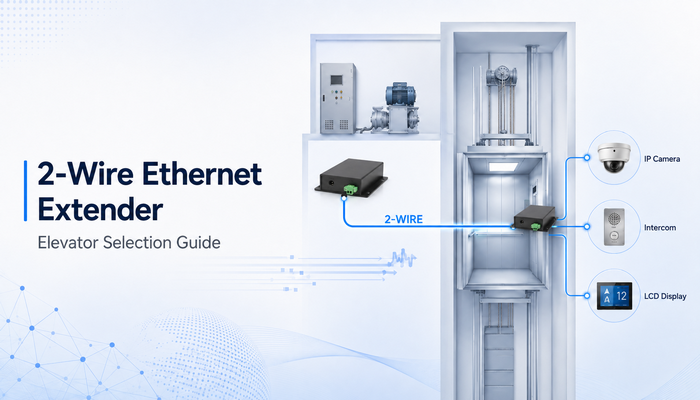
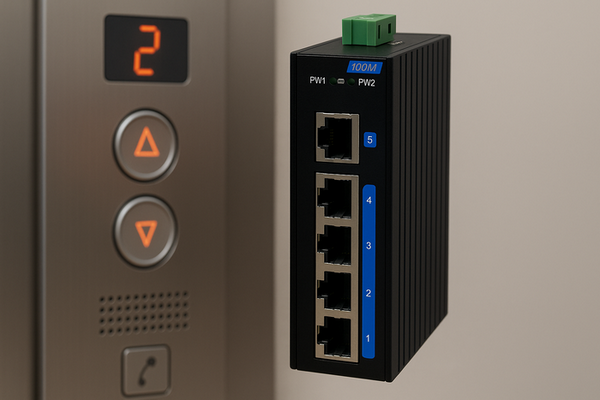
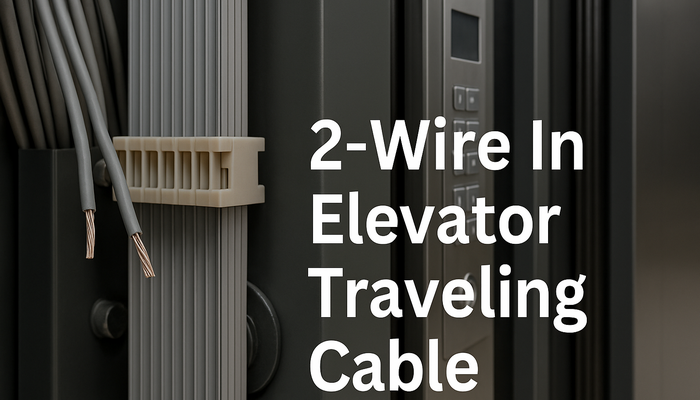
In systems like elevators and railways, SPE can:
● Use existing wiring infrastructure
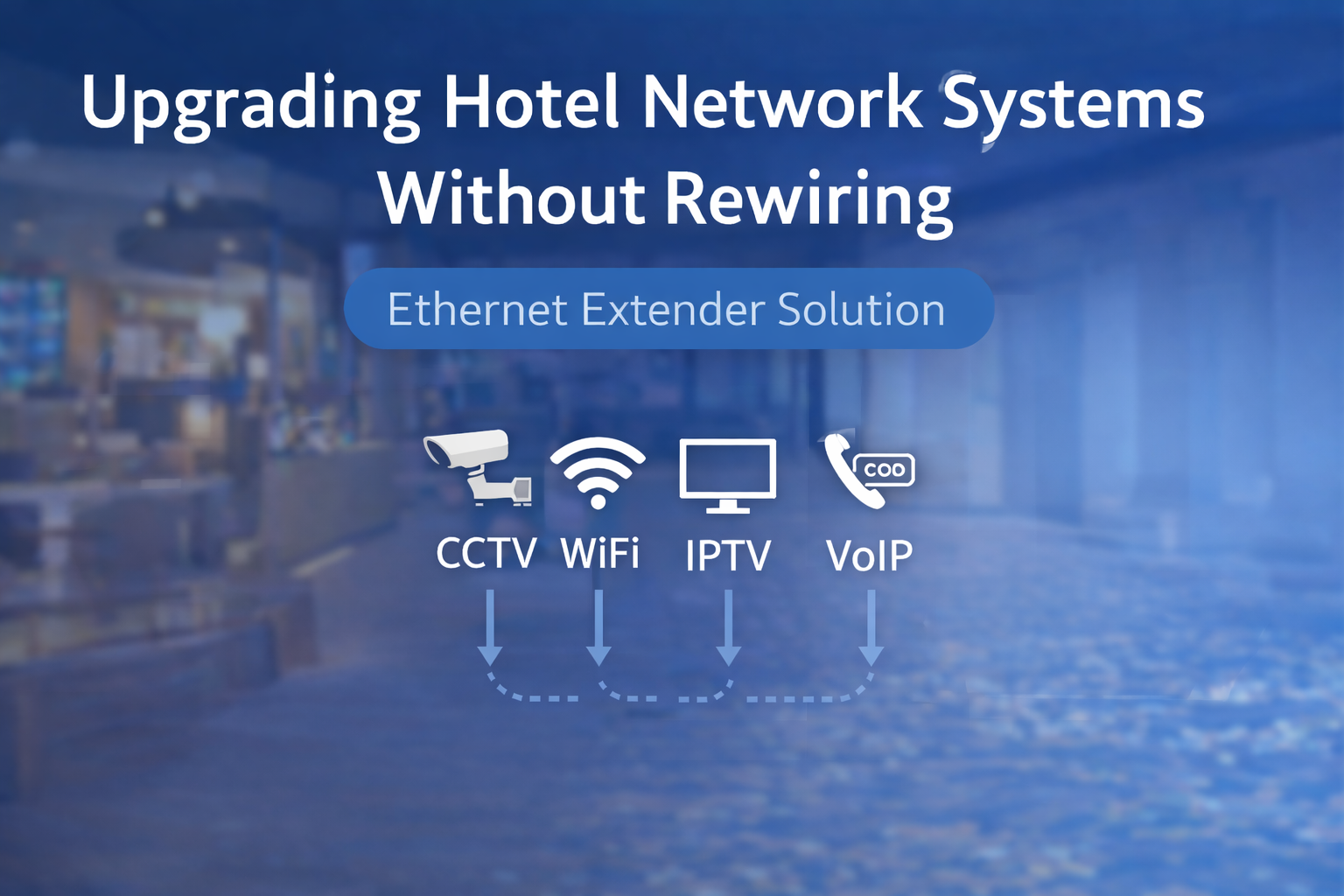
● Enable IP-based devices (CCTV, intercom, displays)
● Reduce modernization costs significantly
This is especially valuable in retrofit scenarios where installing new Ethernet cables is difficult or expensive.
A key innovation of SPE is long-distance communication over a single pair.
v=d/t
While traditional Ethernet is limited to 100 meters, SPE (especially 10BASE-T1L) extends this to 1,000 meters, making it ideal for:
● Industrial plants
● Tunnel systems
● Elevator shafts
● Campus-wide deployments
This fundamentally changes how network architectures are designed.
| Feature | Traditional Ethernet | Single Pair Ethernet |
|---|---|---|
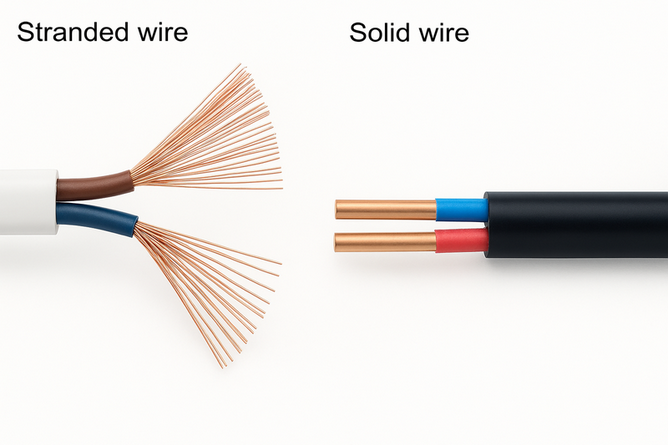
| Cable Type | 4 pairs (8 wires) | 1 pair (2 wires) |
| Max Distance | 100 meters | Up to 1,000 meters |
| Installation Cost | High | Lower |
| Complexity | Higher | Simplified |
| Power + Data | Requires PoE | Integrated (SPoE emerging) |
SPE reduces not only material costs but also:
● Installation time
● Maintenance complexity
● Environmental impact
SPE is a key enabler of IT/OT convergence, where operational technology systems (OT) integrate seamlessly with IT networks.
Future trends include:
● SPoE (Single Pair Power over Ethernet) for combined power + data
● Integration with Industrial IoT (IIoT) platforms
● Adoption in smart cities and infrastructure
● Replacement of legacy fieldbus systems
As industries move toward digital transformation, SPE is positioned to become a foundational technology.
Several factors are accelerating SPE adoption:
● Demand for simplified cabling systems
● Growth of IoT devices and edge sensors
● Need for long-distance, reliable Ethernet
● Pressure to reduce installation and operational costs
For system integrators, OEMs, and infrastructure developers, SPE offers a future-proof networking solution.
From its beginnings in automotive engineering to its growing role in industrial and infrastructure applications, Single Pair Ethernet represents a major evolution in networking technology.
By enabling:
● Long-distance communication
● Reduced cabling complexity
● Seamless Ethernet integration
SPE is not just an alternative—it is a next-generation standard for connected systems. For more details, click here!