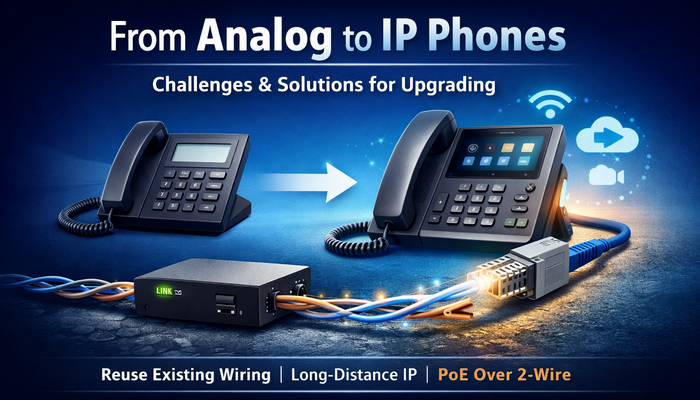
Across hotels, office buildings, hospitals, campuses, and elevator systems, legacy analog and digital PBX systems are rapidly being phased out.
Key drivers include:
● PSTN shutdown in many countries
● High maintenance cost of legacy PBX systems
● Limited scalability of analog infrastructure
● Demand for unified communication (UC), VoIP, and IP-based monitoring
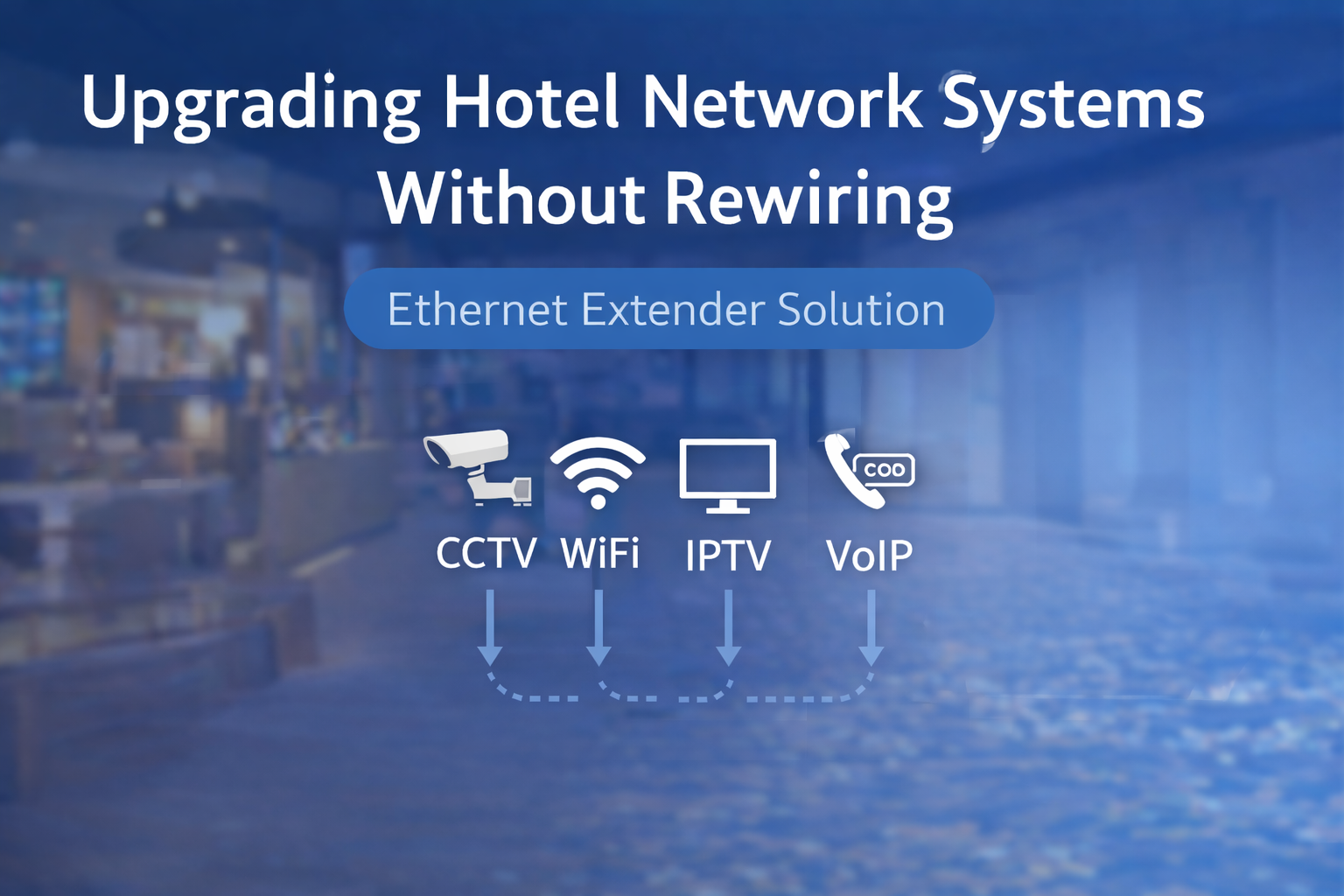
● Integration with CCTV, intercom, IoT, and management platforms
However, when end users begin the migration process, the biggest concern is rarely “technology.”
It is risk, cost, and disruption.
What End Customers Care About Most During an IP Migration
For buildings constructed 10–30 years ago, telephone wiring is already embedded in walls, shafts, and conduits.
Rewiring concerns include:
● Civil work and wall damage
● Business downtime
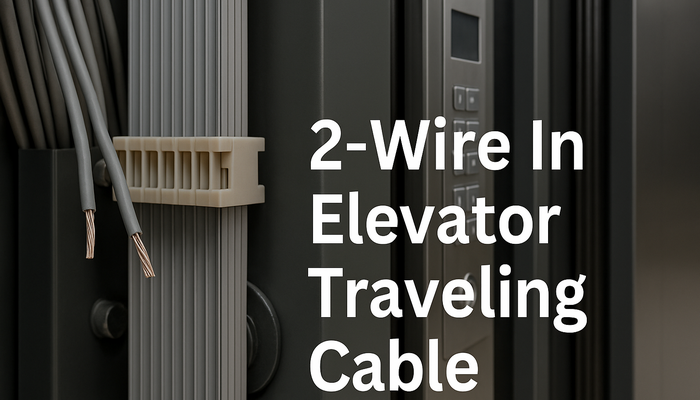
● Elevator shaft cable replacement complexity
● Hotel room access disruption
● High labor cost
In many cases, the wiring cost exceeds the cost of IP phones themselves.
This is often the primary barrier to VoIP migration.
Traditional telephone systems use:
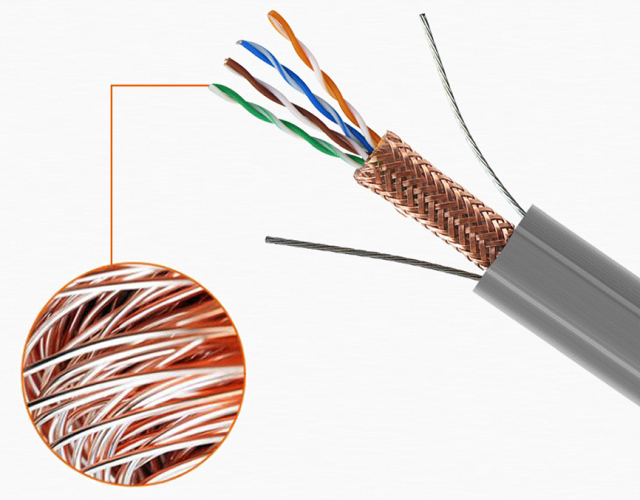
● 2-wire copper cable (twisted pair)
● Cat3 wiring
● Multi-core copper bundles
End users ask:
● Can IP signals run over old copper?
● What is the maximum distance?
● Will bandwidth be stable?
● Can power (PoE) be delivered?
The answer depends on the transmission technology used.
Standard Ethernet is limited to 100 meters.
In real projects such as:
● High-rise buildings
● Elevator shafts
● Campus-style hotels
● Industrial sites
Distances often exceed:
● 200m
● 500m
● 1000m
Without special transmission devices, IP deployment becomes difficult.
Hotels and hospitals cannot afford service interruption.
Concerns include:
● Room communication outage
● Emergency call system downtime
● Reception system migration risk
● Integration with PMS or management platforms
Migration must be phased, controlled, and predictable.
End users evaluate:
● Hardware cost
● Installation cost
● Downtime cost
● Future scalability
● Energy consumption
● Maintenance complexity
The cheapest hardware solution may not be the most economical overall.
Legacy wiring was not designed for Ethernet signals.
Running new Cat6 cable may be expensive or physically impossible.
IP phones and intercom devices require power.
If PoE switches are centralized, long-distance power loss becomes a concern.
Older cables may have:
● Oxidation
● Unknown routing
● Mixed cable types
● Electrical interference
This raises concerns about packet loss and jitter.
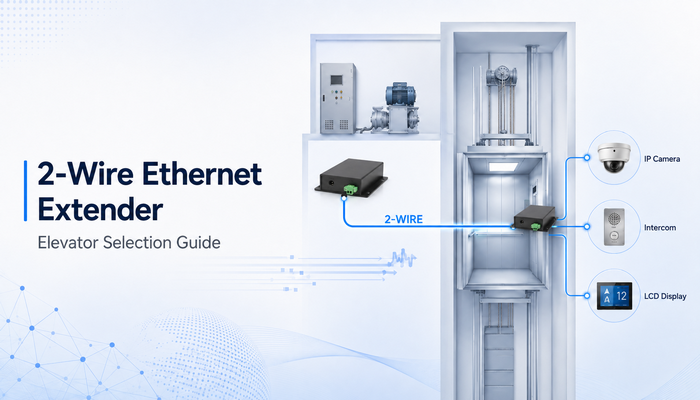
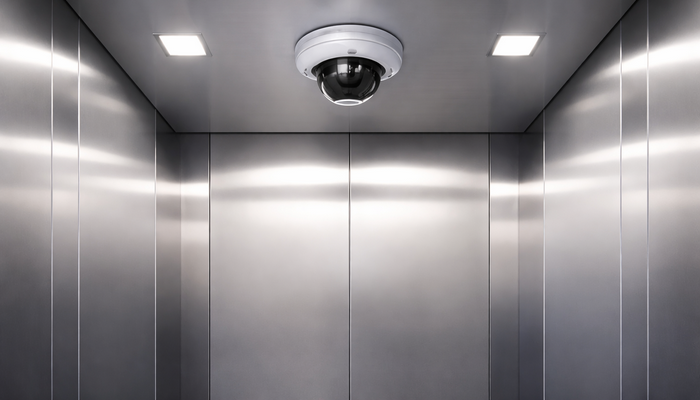
In elevator modernization projects:
● Travelling cables are expensive to replace
● Safety compliance is critical
● Space inside shaft is limited
Traditional Ethernet solutions are not ideal.
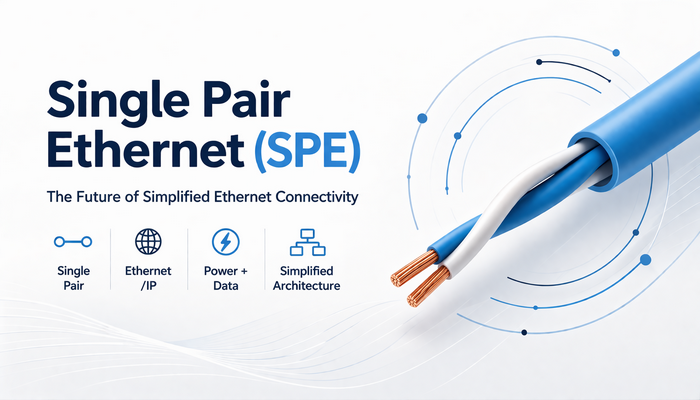
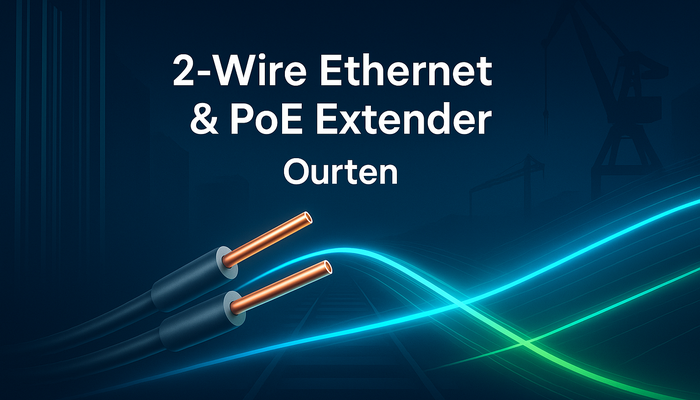
Instead of removing legacy wiring, many system integrators now adopt:
These technologies allow:
Ethernet signal over existing telephone copper
● Long-distance transmission (200–1000m+)
● Optional PoE delivery
● Minimal civil work
This approach is widely used in:
● Hotel phone system upgrades
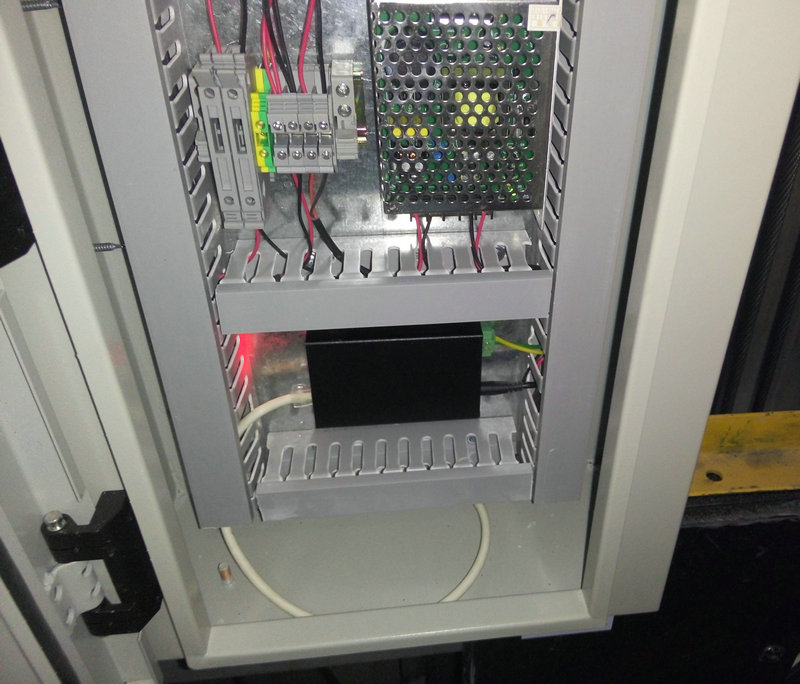
● Elevator emergency phone modernization
● Office PBX replacement
● Campus retrofits
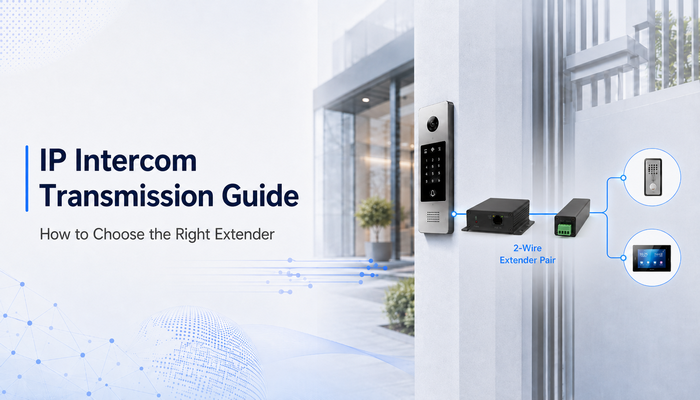
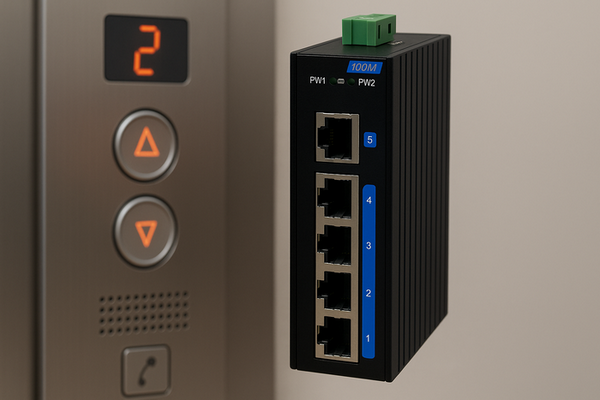
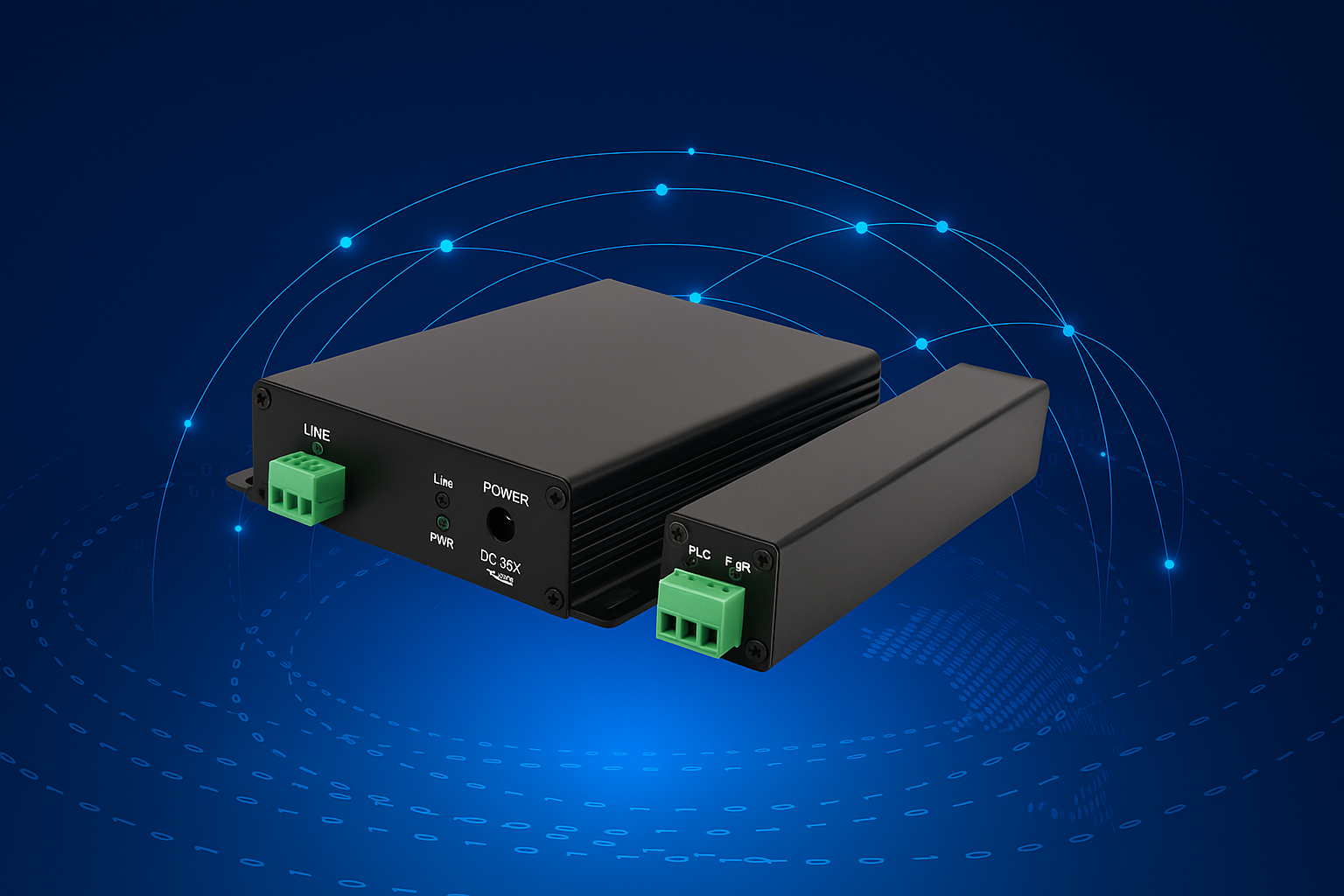
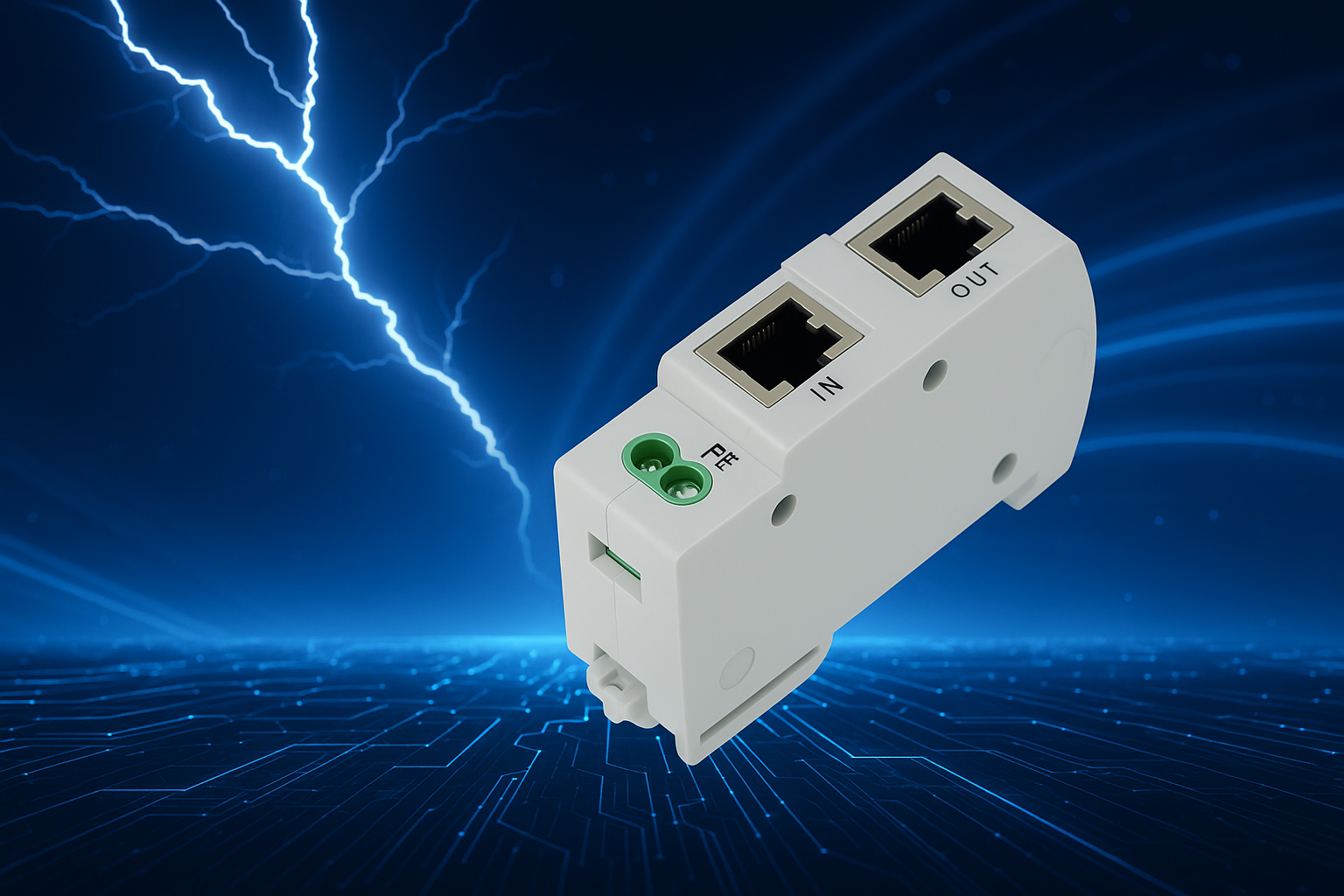
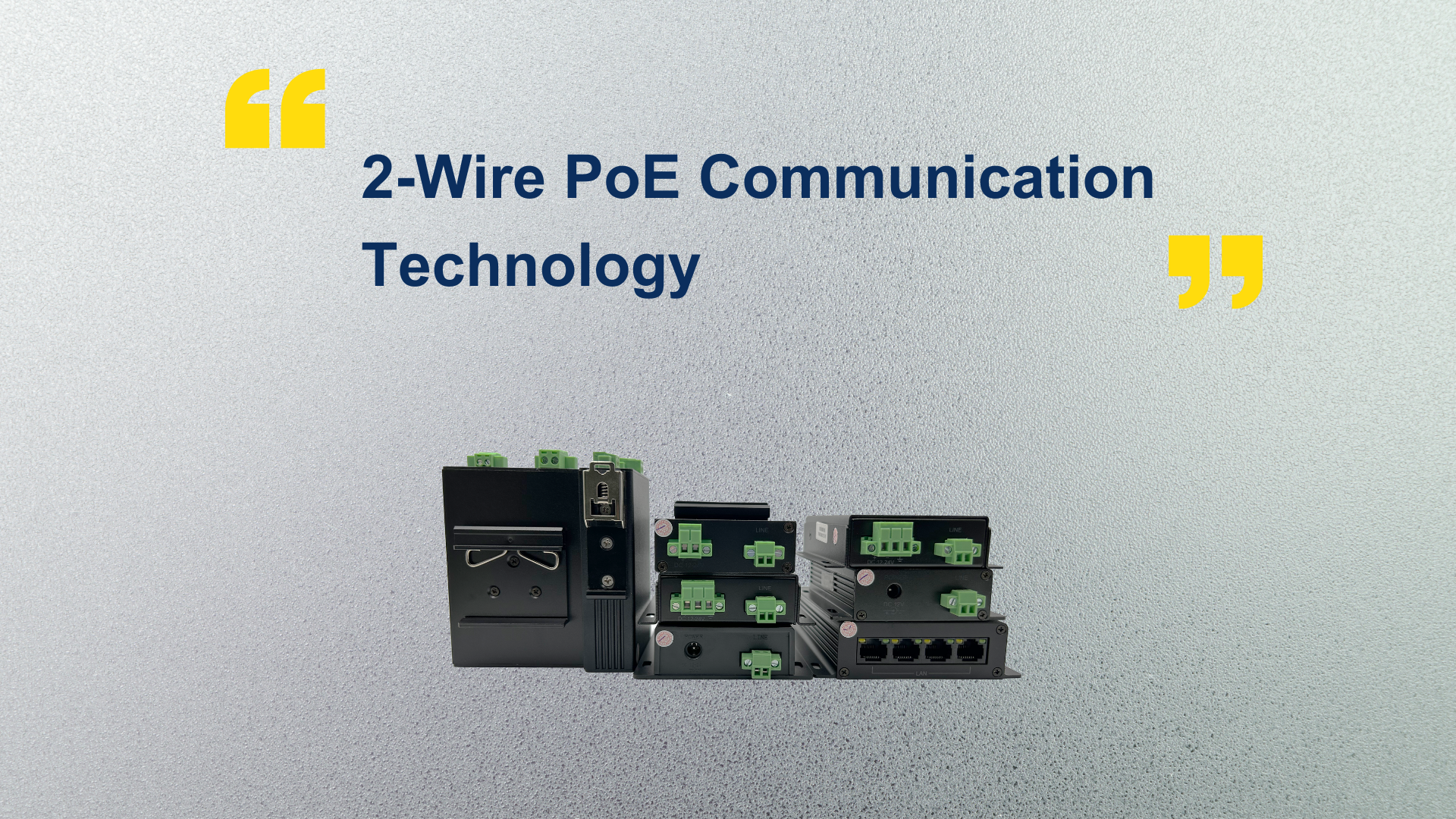
Specialized Ethernet extenders convert:
IP signal → modulated signal over 2-wire copper → restored Ethernet at endpoint
Key features typically include:
● High speed(100Mbps/1000Mbps)
● 300–1000m transmission distance
● Stable bandwidth over Cat3 cable
● Point-to-point or point-to-multipoint configuration
Benefits of Reusing Existing Telephone Wiring
Massively reduces installation cost.
Upgrade can be completed room by room.
Phased migration possible.
Perfect for long vertical distances.
Instead of spending on cables and labor, funds can improve IP phones or communication servers.
● Hotel migrating from analog PBX to IP PBX
● Elevator emergency intercom converting from PSTN to VoIP
● Hospital nurse call system IP integration
● Office building VoIP modernization
● Government facility digital transformation
Yes, with Ethernet extenders or IP over 2-wire solutions, existing copper telephone lines can carry IP traffic.
Depending on device technology, up to 300m–1000m or more.
Some solutions support PoE over 2-wire, allowing remote device powering.
Industrial-grade solutions are designed for stable long-distance transmission over legacy copper.
Analog to IP migration is not simply replacing phones.
It requires balancing:
● Infrastructure constraints
● Cost control
● Downtime management
● Long-term scalability
Reusing existing telephone wiring with IP/PoE over 2-wire transmission solutions offers a practical, cost-effective bridge between legacy infrastructure and modern IP communication systems.
For many retrofit projects, it is the difference between “too expensive to upgrade” and “ready for digital transformation.”