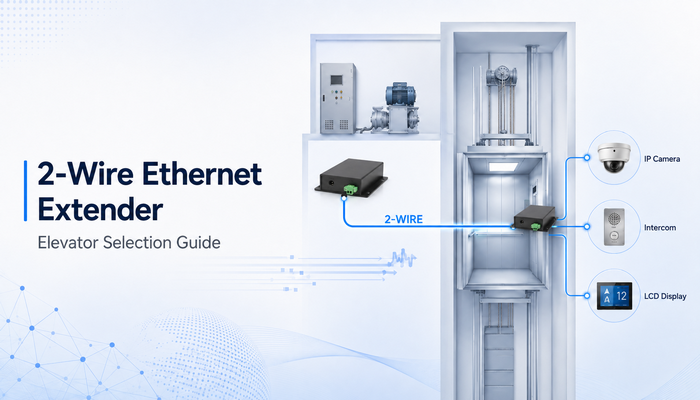
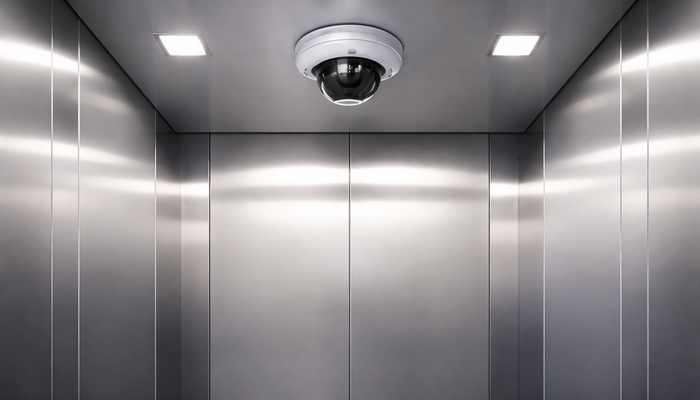
With the rapid digitalization of elevator systems, IP cameras are becoming standard components in modern elevator cabins. They are widely used for security monitoring, remote diagnostics, passenger safety, and smart building integration.
However, unlike ordinary buildings, elevators present unique challenges for network transmission:
● Limited cabling space in traveling cables
● Long vertical transmission distance
● High electromagnetic interference
● Difficult installation and maintenance
● Strict safety and reliability requirements
As a result, choosing the right signal transmission method is critical for stable and cost-effective deployment of elevator IP cameras.
This article provides a neutral, technical overview of four mainstream transmission solutions:
1. Ethernet cable (Cat5e/Cat6)
2. Fiber optic + media converter
3. Wireless bridge
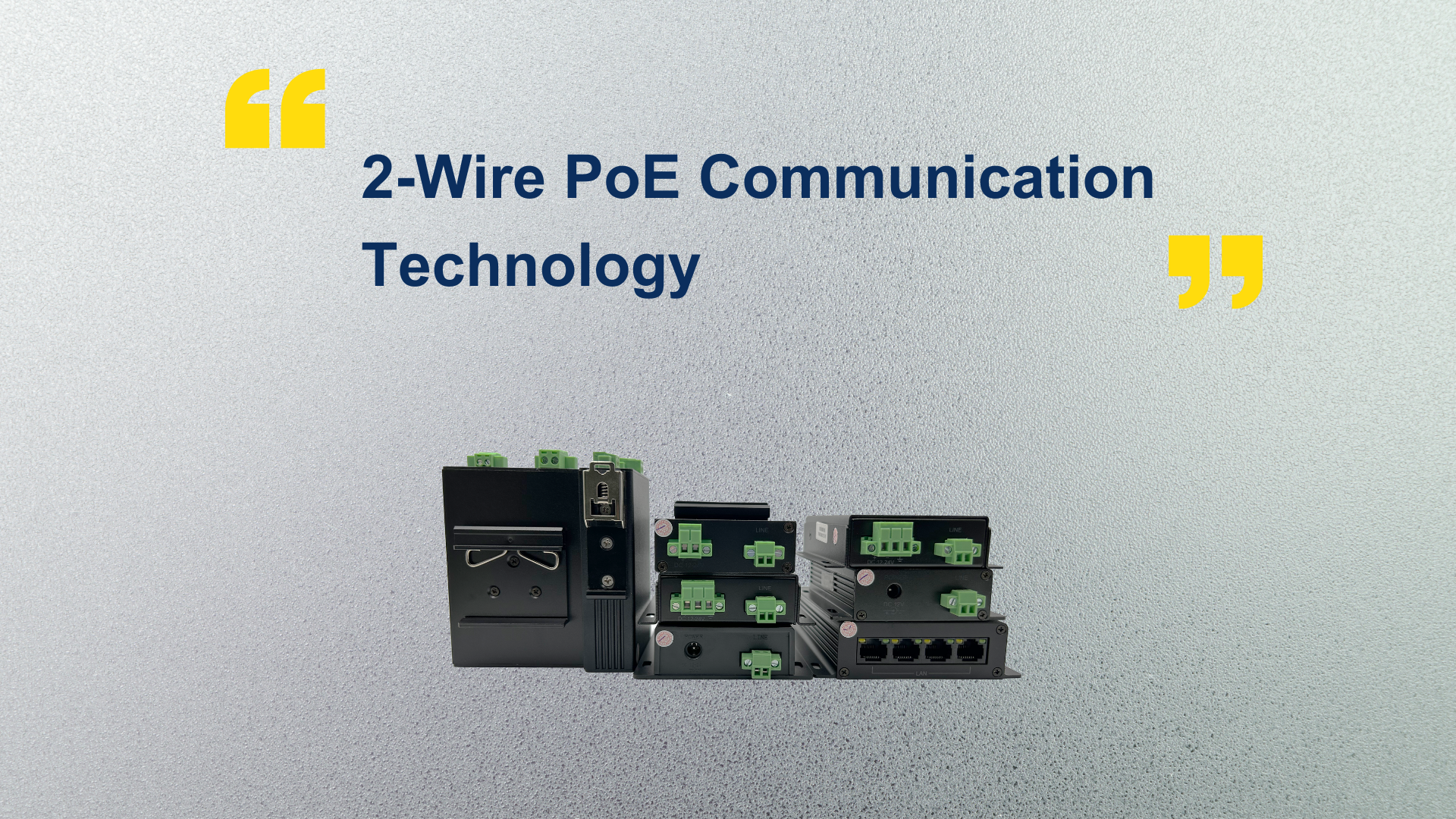
4. 2-wire transmission (Ethernet over 2-wire)
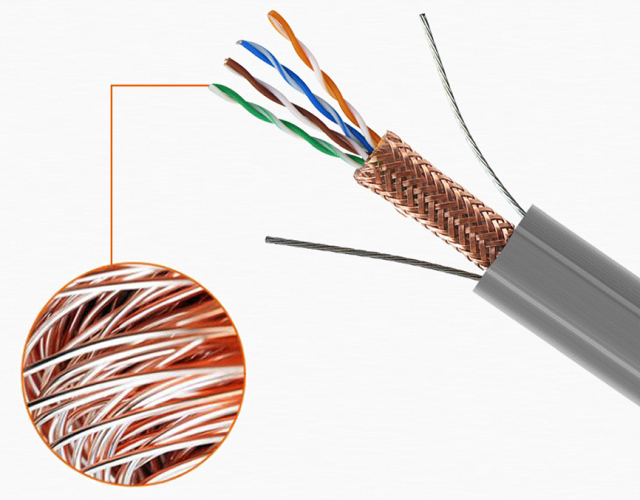
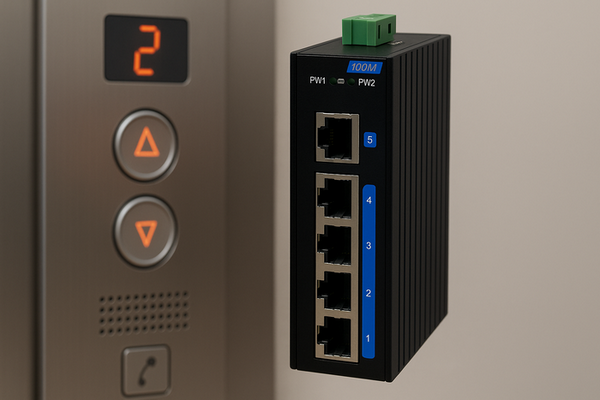
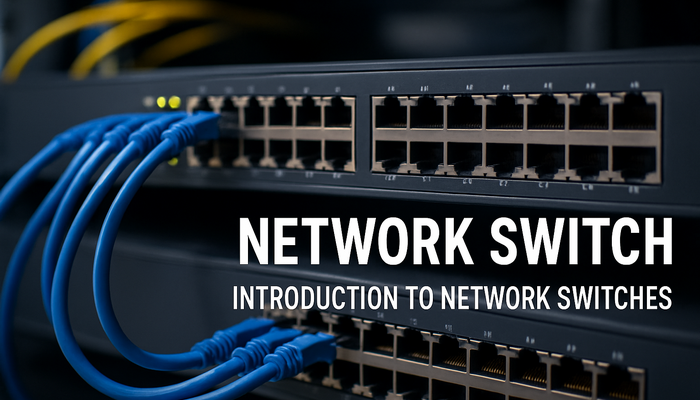
● Standard Ethernet cable runs through the traveling cable or shaft.
● IP camera connects directly to network switch or NVR.
● PoE switch provides power and data.
✅ High bandwidth (1 Gbps or more)
✅ Mature technology and low equipment cost
✅ Easy integration with IP networks
✅ PoE support simplifies power supply
❌ Requires sufficient space in traveling cable
❌ High installation cost in retrofit projects
❌ Difficult to deploy in old buildings
❌ Susceptible to bending and mechanical stress in moving cables
● New elevator installations
● Projects with reserved network cabling
● High-bandwidth video requirements
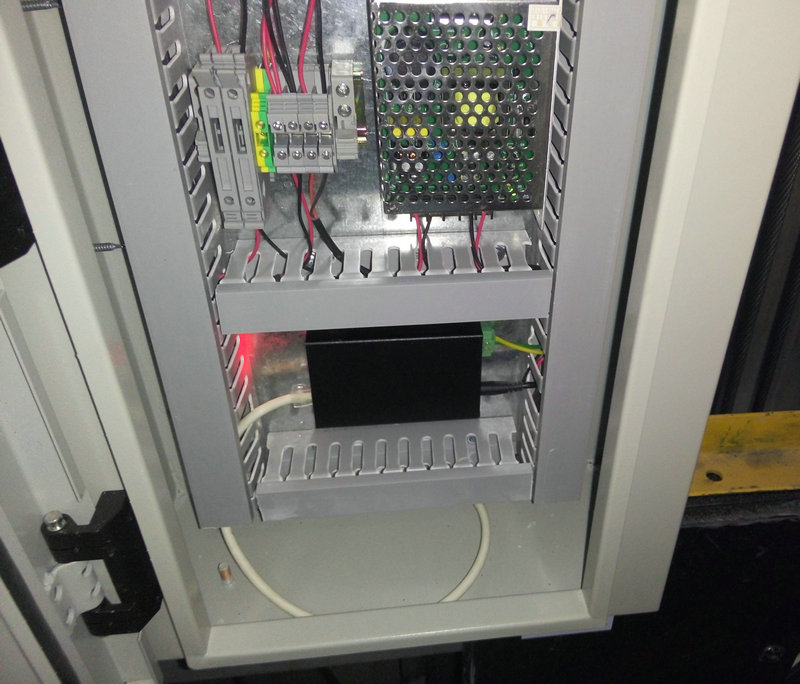
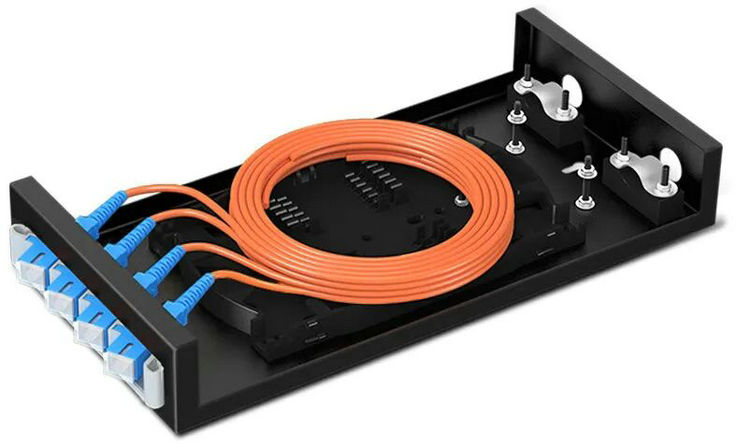
● Optical fiber runs through the shaft.
● Media converters (or SFP modules) convert Ethernet to fiber and back.
● Separate power supply for converters.
✅ Extremely long transmission distance (up to kilometers)
✅ Strong immunity to electromagnetic interference
✅ High stability and security
✅ Suitable for high-rise buildings
❌ Higher equipment and installation cost
❌ Fiber installation is complex in elevator shafts
❌ Additional devices increase maintenance complexity
❌ Difficult to reuse existing copper cables
● High-rise or super-high-rise buildings
● Environments with strong electromagnetic interference
● Projects requiring maximum reliability
● Wireless bridge installed in cabin and machine room.
● IP camera transmits video over wireless link.
✅ No physical cabling required
✅ Fast deployment
✅ Suitable for temporary or special scenarios
❌ Signal instability due to metal structures and shaft shielding
❌ Susceptible to interference and attenuation
❌ Latency and bandwidth fluctuation
❌ Reliability concerns in safety-critical applications
● Temporary installations
● Scenarios where cabling is impossible
● Non-critical monitoring
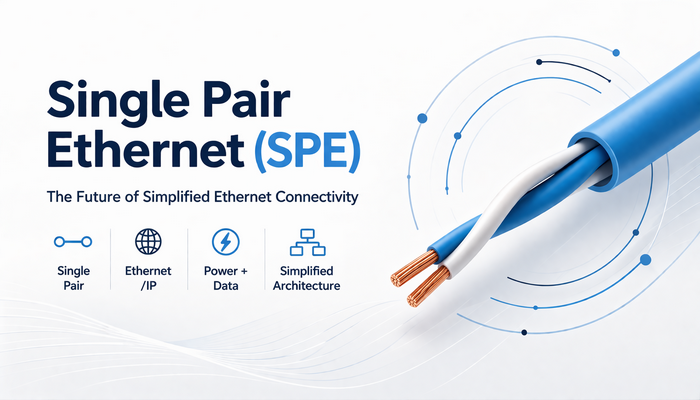
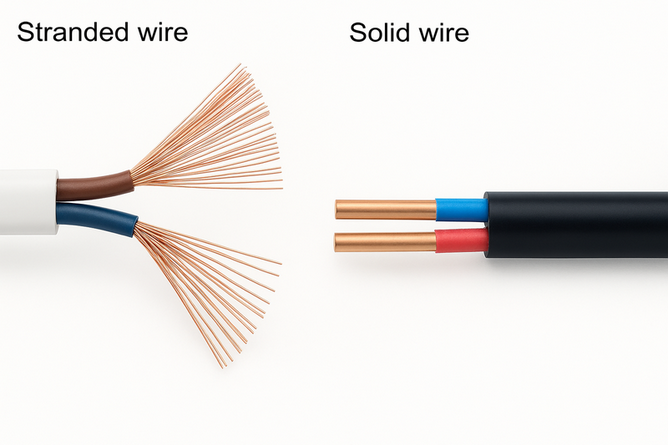
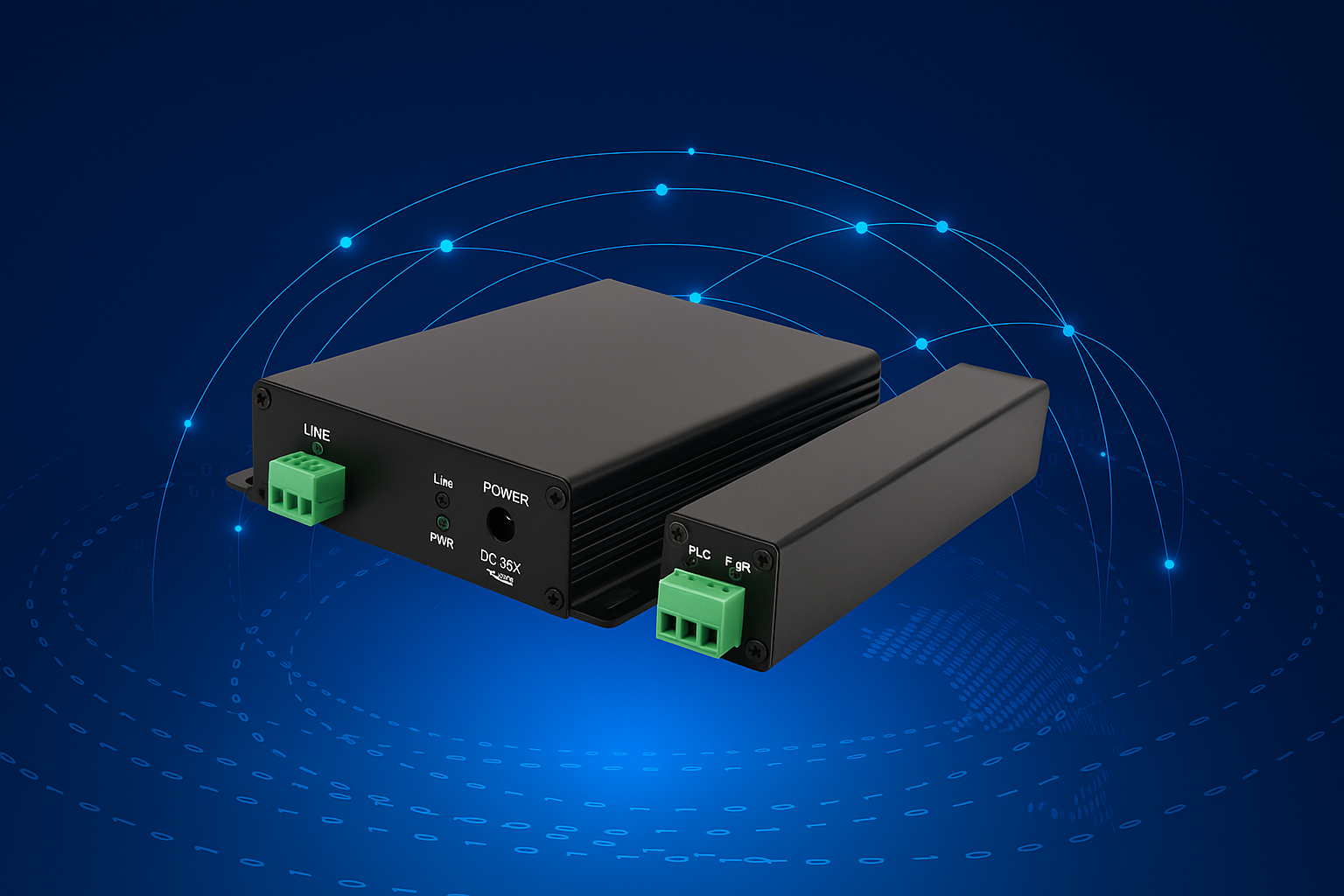
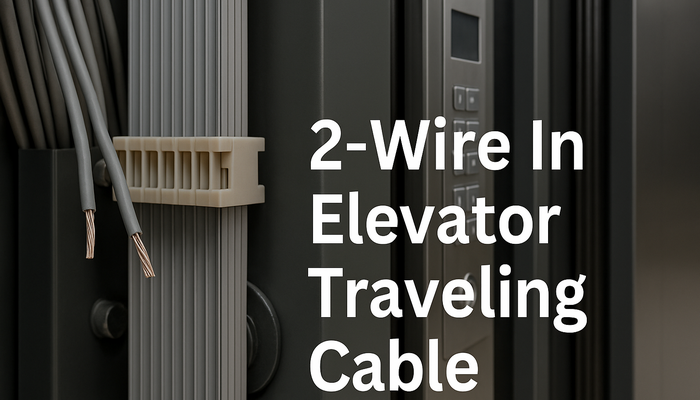
● Reuses existing 2-core copper wires in traveling cables.
● Ethernet and power transmitted over 2-wire lines via extenders.
● Supports IP cameras and other IP devices.
✅ Reuses existing cabling → minimal rewiring
✅ Ideal for modernization and retrofit projects
✅ Lower installation cost compared to Ethernet or fiber
✅ Long transmission distance (hundreds of meters to kilometers)
✅ Reduced disruption to elevator operation
✅ Strong immunity to electromagnetic interference (Ourten products)
❌ Lower bandwidth compared to full Ethernet or fiber
❌ Performance depends on cable quality and distance
❌ Requires dedicated transmission devices
● Elevator modernization projects
● High-rise buildings
● Projects where replacing traveling cables is not feasible
From a system design perspective, no single solution is universally best. The optimal choice depends on:
● Whether the project is new installation or retrofit
● Available cabling resources
● Required bandwidth and latency
● Budget and lifecycle cost
● Maintenance complexity
● Reliability requirements
In recent years, many elevator modernization projects have shifted toward solutions that reuse existing infrastructure rather than replacing traveling cables. This trend reflects broader priorities in the industry: cost efficiency, minimal disruption, and sustainability.
In practice, modern elevator projects increasingly adopt hybrid architectures:
● Ethernet in new shafts
● Fiber in high-rise buildings
● 2-wire transmission in retrofit projects
● Wireless as auxiliary backup
Such multi-layer designs improve flexibility and resilience in elevator communication systems.
As elevators evolve toward IP-based, IoT-enabled, and AI-integrated systems, the network transmission layer becomes a foundational infrastructure.
IP cameras are no longer isolated devices—they are part of:
● Elevator IoT platforms
● Smart building systems
● Remote maintenance ecosystems
● Public safety networks
Therefore, understanding transmission technologies is essential for elevator manufacturers, system integrators, and building owners.