Overview
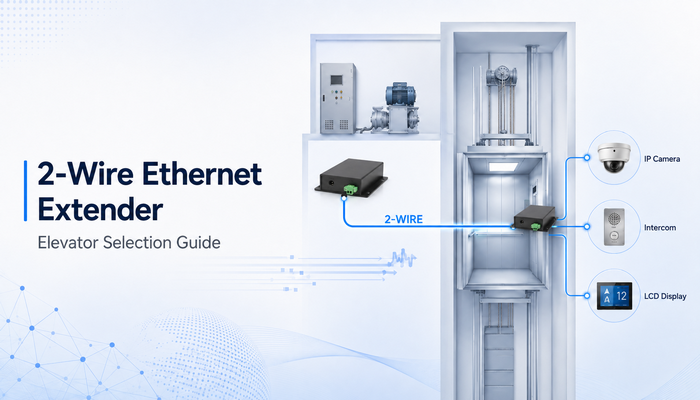
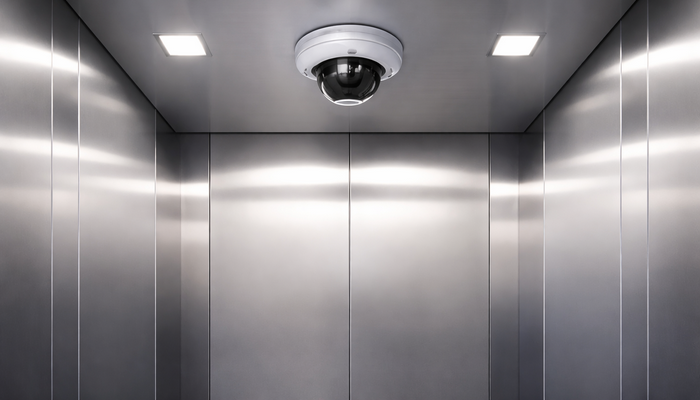
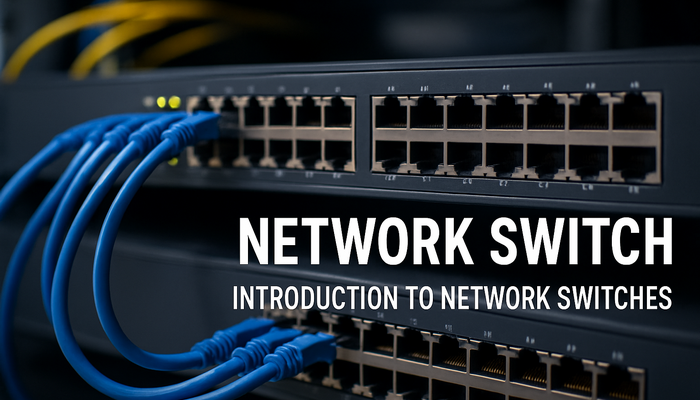
As elevators evolve into fully digital systems, more IP-based devices are being installed — including CCTV cameras, digital displays for People Flow, and two-way visual emergency communication modules. To support these devices, a reliable industrial Ethernet network is essential. That’s why choosing the right elevator network switch is a key step in every modernization or new installation project.
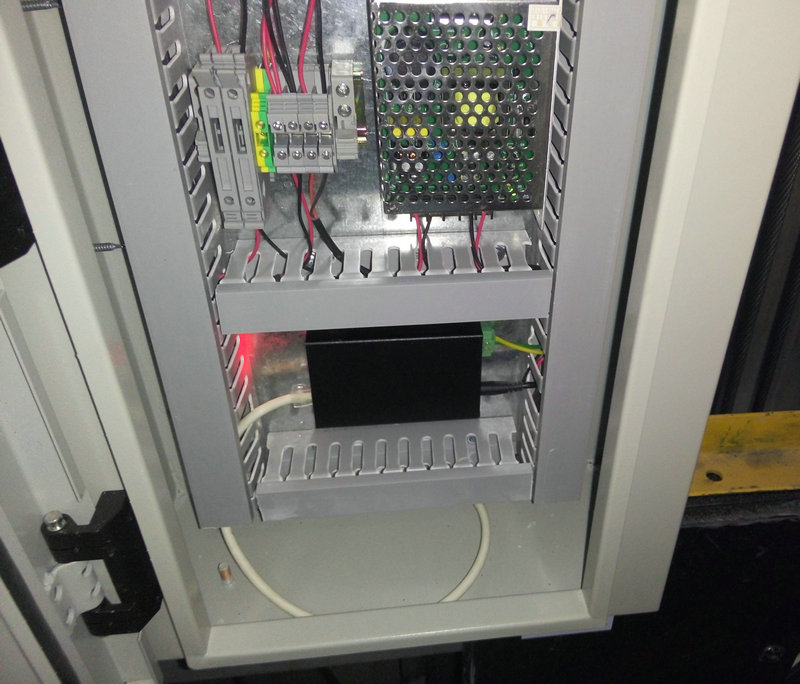
Elevator environments are very different from typical IT rooms. Inside elevator machine rooms and control cabinets, space is limited, temperature fluctuates, vibration is constant, and power interference from elevator motors can affect electronic devices. Office-grade network switches often fail under these conditions, which is why installers and system integrators should always consider industrial-grade switches that can withstand harsh environments.
Although managed Ethernet switches offer advanced functions such as VLAN or remote configuration, in most elevator applications they are not necessary. Most installations only connect a few devices — such as an IP camera, a display screen and a SIP/VoIP intercom — making a plug-and-play unmanaged switch a much better fit. It requires no setup, reduces installation time, and ensures that regular elevator technicians can easily handle maintenance.
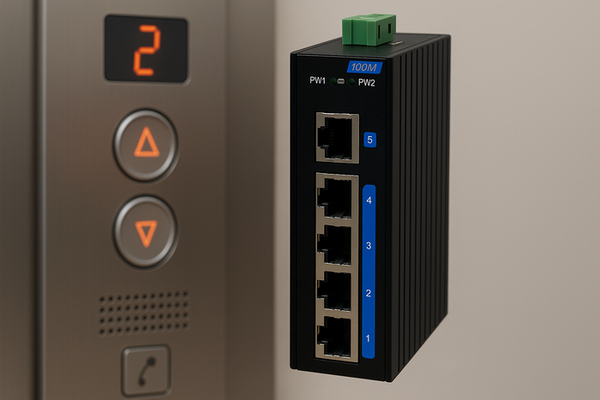
This is why the most practical and cost-effective solution is often a 5-port unmanaged industrial Ethernet switch. It is compact, easy to install and provides just enough ports for current devices while leaving one port for future expansion or remote maintenance.
When selecting a switch for elevator use, reliability is more important than advanced features. Here are the essential factors to consider:
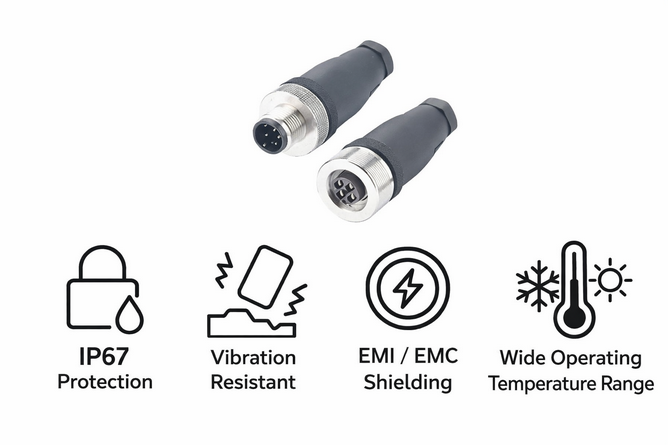
Industrial housing to resist vibration and electromagnetic interference.
DIN-rail mounting for fast installation inside control cabinets.
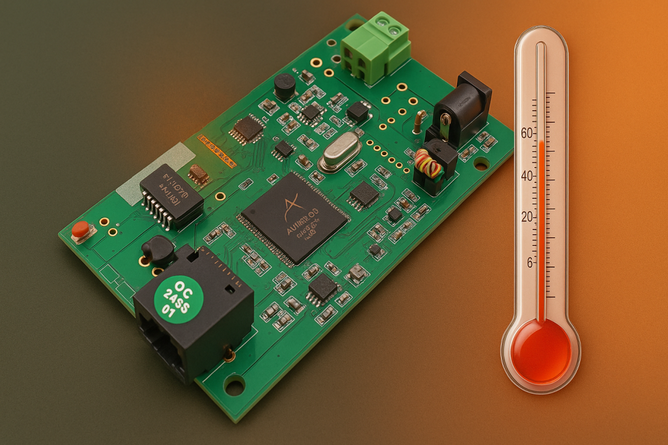
Wide operating temperature range, ideally between –40°C and +75°C.
Broad power input tolerance, such as 12–57V DC, to handle unstable elevator power sources.
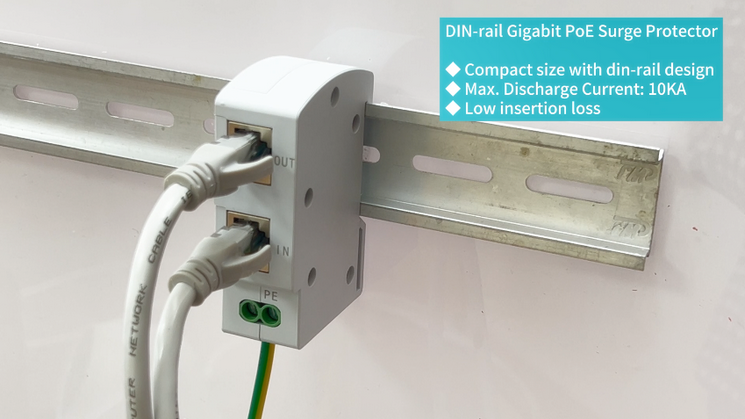
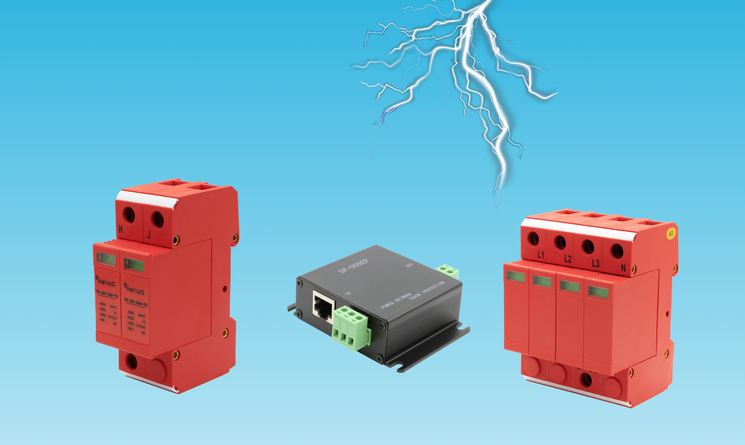
Surge protection to prevent damage during motor start-up or interruptions.
Full Gigabit performance to ensure smooth CCTV and video transmission.
Plug-and-play operation without any configuration.
If IP devices need power, choosing a PoE version of the switch can simplify cabling. If devices have their own power supplies, a non-PoE version is more economical.
Most elevator projects use only two to four IP devices. A 5-port industrial unmanaged switch is sufficient while keeping space requirements and cost under control. It enables fast deployment during modernization and avoids over-complicated IT configurations. The absence of software settings also means that maintenance can be done by regular elevator technicians, without calling IT specialists.
This type of switch is especially suitable for elevator CCTV upgrades, VoIP and SIP intercom systems, digital signage for People Flow, remote monitoring, and simple LAN extensions within the shaft or control cabinet. It is currently one of the most widely used solutions in elevator networking, both in new installations and retrofit projects.
Before finalizing your selection, it is helpful to evaluate the actual situation on-site:
Are dedicated Ethernet cables available in the elevator shaft?
Do the devices require PoE power from the switch?
Is space inside the cabinet limited?
Is long-term maintenance expected to be simple and quick?
Is remote management truly necessary, or is plug-and-play operation enough?
In many cases, the answer leads to one conclusion: a 5-port unmanaged industrial switch provides the ideal balance of cost, reliability and simplicity, especially when stability is the top priority.