In hazardous explosive environments, explosion-proof electrical equipment must be used, and such equipment must hold valid explosion-proof certification. For electrical equipment used underground in coal mines, MA certification must be obtained before the equipment can be deployed underground. This is a requirement under China’s labor safety regulations. In addition to the coal industry, industrial sectors such as petrochemicals, metallurgy, and military manufacturing are also required to use explosion-proof electrical equipment to ensure production safety and prevent explosion accidents.
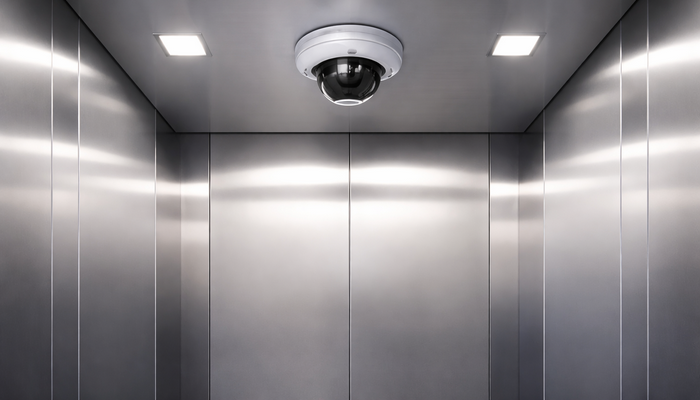
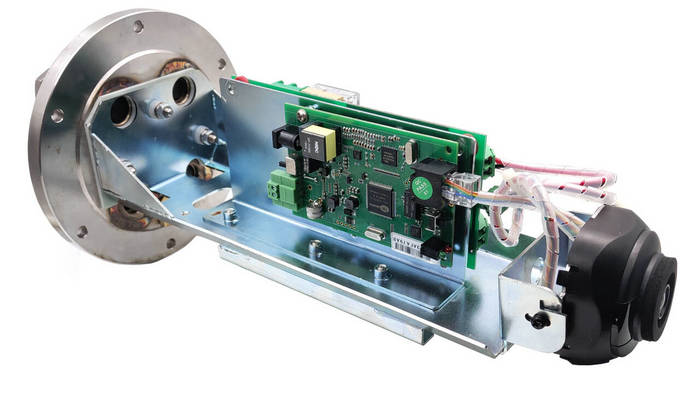
In a certain sense, MA certification refers to a qualification required for electrical products installed inside mines. It is completely different from intrinsic safety explosion-proof certification, as the two are separate types of certification. However, there is also a certain relationship between them. Due to the special environment of coal mines, both electrical and non-electrical equipment used there must be explosion-proof. This includes not only intrinsically safe types, but also flameproof, encapsulated, and other protection types. The image below shows a flameproof mining camera.
Intrinsic safety certification refers to certification for intrinsically safe explosion-proof products. MA certification is the abbreviation for Mining Product Safety Approval.
In 2007, China’s State Economic and Trade Commission and the State Administration of Coal Mine Safety issued documents such as the Interim Measures for the Administration of Safety Marks for Mining Products in Coal Mines, establishing a safety certification system for equipment, instruments, meters, and other facilities used in underground coal mines. This system has effectively prevented substandard and counterfeit products from entering mines.
Therefore, all types of electrical equipment used underground in coal mines must comply with the national explosion-proof standard GB 3836 as well as the requirements of industry standards for coal mine equipment. Any equipment that fails to meet these requirements will be deemed to have “lost its explosion-proof protection.” If electrical equipment loses its explosion-proof integrity, any internal explosion flame may spread outside the enclosure and come into direct contact with combustible or explosive gas mixtures underground, potentially causing mine fires, gas explosions, or coal dust explosions, leading to severe accidents.
For this reason, if electrical equipment is to be used in the coal mining industry, the basic entry requirement is that it must obtain both intrinsic safety certification and MA certification.
During the product testing process, inspectors will evaluate whether powered testing is necessary based on the fundamental characteristics of the submitted product.
First, for passive devices and products containing only a small number of low-capacity energy-storage components, powered testing is generally not required as long as the specifications can be properly verified. Examples include switch boxes, thermistors, buttons, and connection terminals.
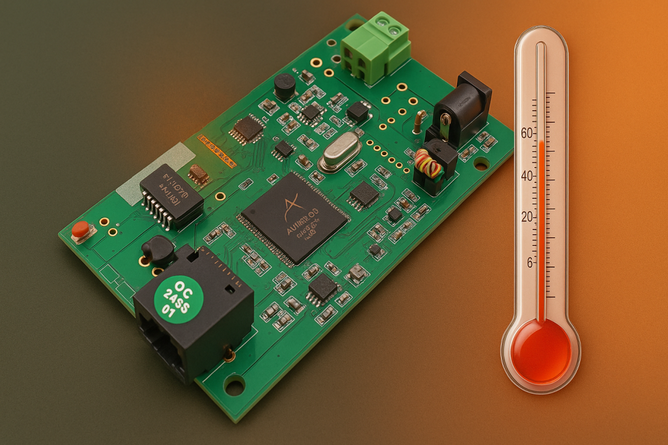
Second, applicants are required to provide the electrical schematics, bill of materials with marked parameters, PCB layout drawings, and other relevant documentation for the sample. Particular attention is given to carefully checking the capacitance and inductance values in the power supply circuit. The product may also be energized to verify whether the capacitance values exceed the permitted limits. If some parts fail to meet the requirements, minor modifications and adjustments are generally allowed. The product can then be retested, provided its normal operating performance is maintained. If compliance still cannot be achieved, it will be judged as unqualified.