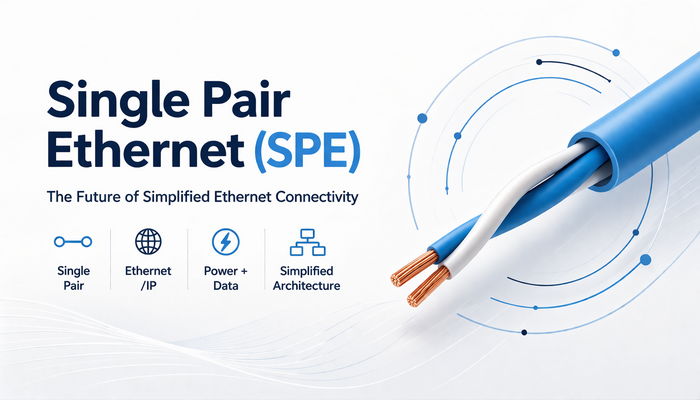
As network architectures evolve toward fully IP-based communication, Single Pair Ethernet (SPE) has emerged as a technology designed to extend Ethernet connectivity closer to field devices.
SPE is often described as a way to simplify system architecture, reduce cabling, and unify communication layers. However, these benefits depend heavily on system design and device compatibility.
This article provides a technical overview of SPE, focusing on how it works, where it adds value, and its current limitations.
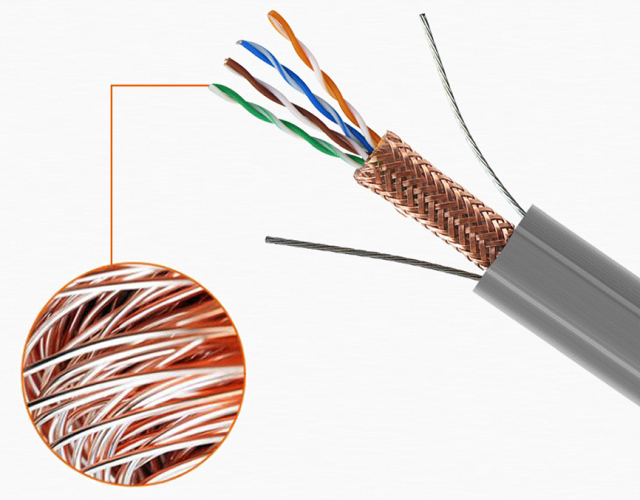
Single Pair Ethernet (SPE) is an Ethernet physical layer technology that enables data transmission over a single twisted pair of copper wires, instead of the traditional four-pair Ethernet cable.
SPE is defined by IEEE 802.3 standards, including:
10BASE-T1L – Long reach, up to approximately 1000 meters
10BASE-T1S – Short reach, multi-drop topology
Unlike legacy communication methods such as RS-485, SPE operates within the standard Ethernet protocol stack, supporting IP-based communication.
SPE is not a new protocol — it is a different physical layer implementation of Ethernet.
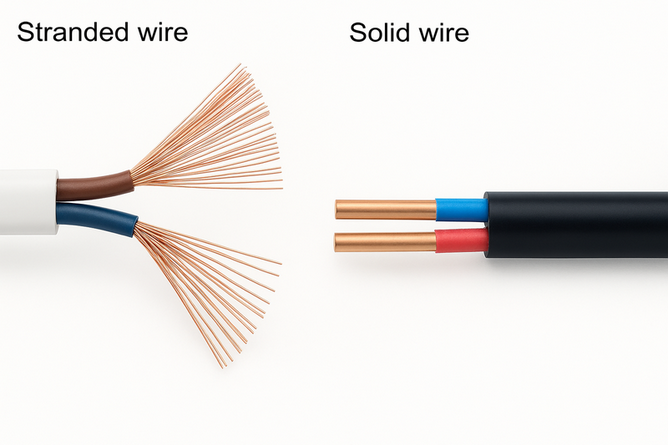
SPE uses only one twisted pair (two conductors), resulting in:
Reduced cable diameter
Lower weight
Simplified routing in constrained environments
Certain SPE variants, particularly 10BASE-T1L, support:
● Up to ~1000 meters transmission distance
● Without requiring repeaters
This makes SPE suitable for distributed systems and infrastructure-level deployments.
SPE supports PoDL (Power over Data Line), enabling:
● Simultaneous data and power transmission
● Reduction in auxiliary power wiring
Because SPE is part of the Ethernet standard:
● It supports standard Ethernet frames
● It integrates directly with IP-based systems
● It enables unified diagnostics and network management
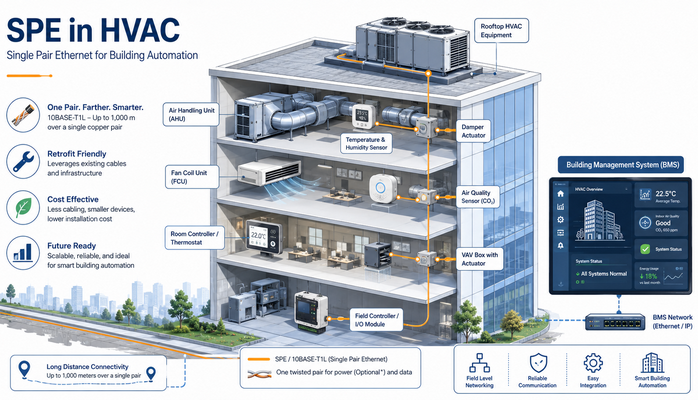
The primary architectural impact of SPE is the extension of Ethernet connectivity to the field level.
In many systems, field devices communicate via serial protocols:
Field Device → Serial Bus (RS-485/RS-232) → Gateway → Ethernet → Control System
Characteristics:
● Protocol conversion required
● Multiple communication layers
● Increased system complexity
When field devices natively support SPE:
Field Device → SPE → Ethernet Network
Changes introduced:
Elimination of protocol gateways
Flattened network topology
Unified Ethernet/IP communication
SPE simplifies architecture by:
● Reducing intermediate devices
● Eliminating protocol translation layers
● Standardizing communication across system levels
The architectural benefits of SPE depend on one key condition: Field devices must natively support Ethernet (via SPE PHY).
If devices use RS-485 or other non-IP interfaces:
Device → Serial → Gateway → SPE → Network
Implications:
Gateways are still required
Protocol conversion remains
System complexity is largely unchanged
SPE does not simplify legacy systems by itself — it simplifies native Ethernet systems.
| Feature | Conventional Ethernet | SPE |
|---|---|---|
| Cable | 4 twisted pairs | 1 twisted pair |
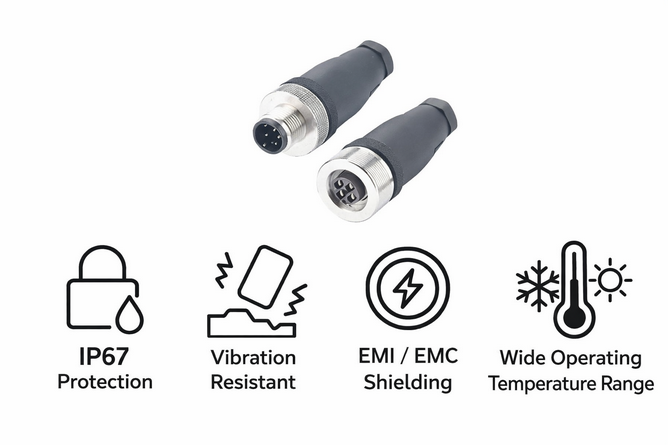
| Connector | RJ45 | IEC 63171 variants |
| Maximum distance | ~100 m (typical) | Up to ~1000 m |
| Power delivery | PoE (802.3af/at/bt) | PoDL |
| Ecosystem maturity | High | Emerging |
SPE extends Ethernet to new physical domains rather than replacing existing Ethernet infrastructure.
| Feature | RS-485 | SPE |
|---|---|---|
| Communication type | Non-IP | IP-based |
| Data rate | Low to moderate | Higher (depending on standard) |
| Integration | Requires gateway | Native Ethernet |
| Scalability | Limited | High |
SPE is positioned as a long-term replacement for serial communication at the field level.
Despite its technical advantages, SPE adoption remains limited in many application domains.
There are relatively few field devices with native SPE interfaces, particularly in:
● Imaging devices
● Communication terminals
● General-purpose network endpoints
Challenges include:
● PHY and connector standardization
● Cost of components
● Interoperability across vendors
SPE is currently more prevalent in:
● Industrial automation
● Process control environments
● Sensor-level networking
SPE is most effective in scenarios where:
● Systems are designed from the ground up
● Devices natively support Ethernet
● Long-distance, low-to-moderate bandwidth communication is required
● Simplified cabling is beneficial
Single Pair Ethernet represents a significant evolution in Ethernet technology by enabling connectivity at the field level using a simplified physical layer.
However, its impact on system architecture depends on device compatibility and system design.
● SPE reduces cabling and can flatten network architecture
● It eliminates gateways only in fully Ethernet-based systems
● It does not inherently simplify legacy serial-based systems
SPE is not just a cabling innovation — it is an architectural shift toward end-to-end Ethernet communication.
Its full benefits will be realized as device ecosystems mature and more systems transition to native IP-based designs.